


Children experience travel differently from adults. They're not moved by thread counts or infinity pools. They want characters to root for, secrets to uncover and adventures that feel made just for them. Give them that and they don't just leave satisfied, they leave with a story they'll tell for years.
Most properties already have a compelling story — they just haven't translated it for their youngest guests yet.
The real challenge for hoteliers isn't finding the story — it's translating it into something a child can follow and hold onto.
A Child’s Lens on Storytelling

To translate your hotel experience effectively, you need to rethink how stories are delivered. Children engage with stories differently:
- They learn through interaction, not explanation
- They connect through characters, not concepts
- They remember through moments of play, not passive observation
That's what our SUCCEED framework is for. Let's look at each storytelling building block through a family lens.
How to SUCCEED in Unique Property Storytelling
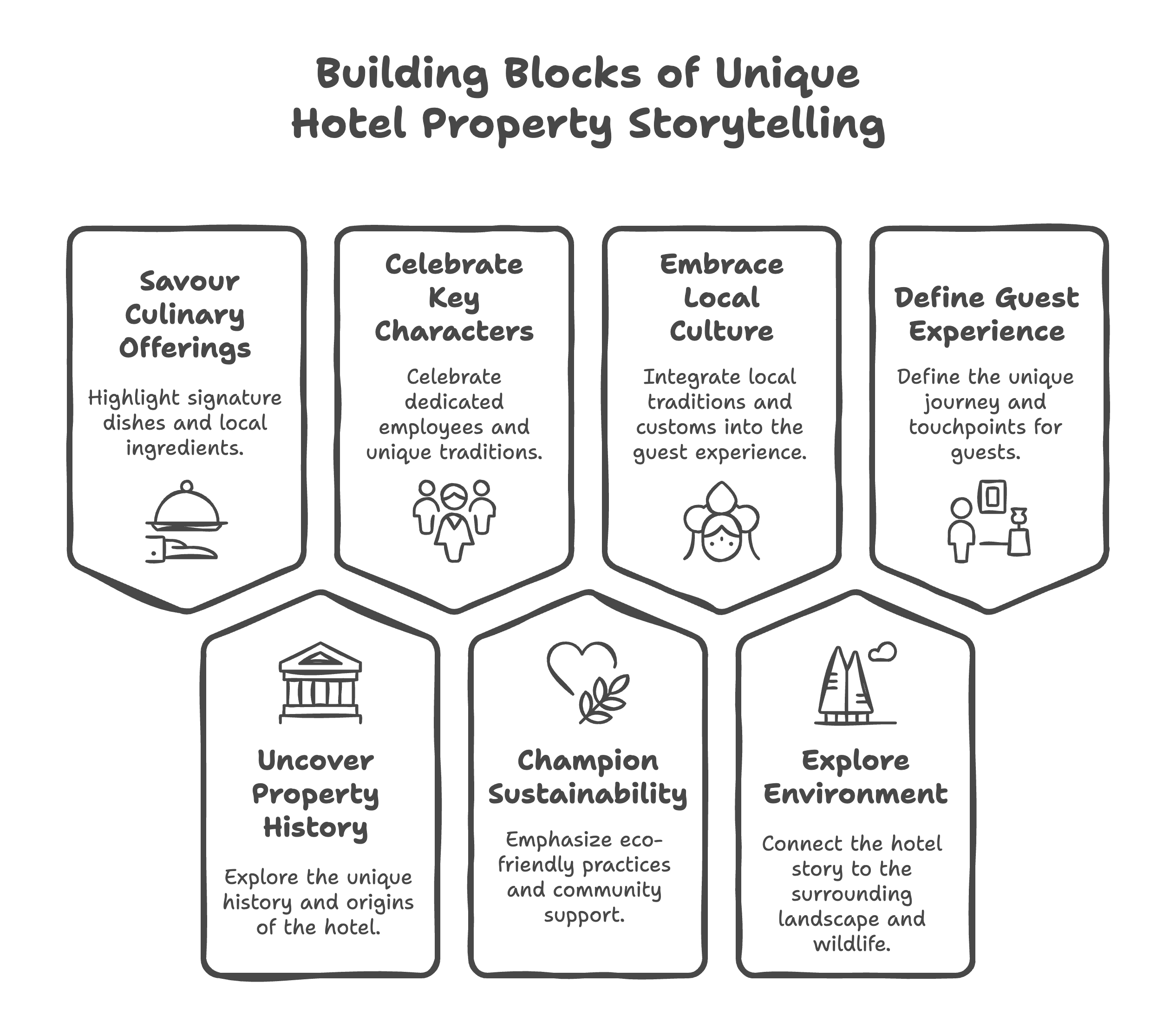
- S - Savour Culinary Stories
- U - Uncover Property History
- C - Celebrate Key Characters
- C - Champion Sustainability
- E - Embrace Local Culture
- E - Explore the Environment
- D - Define Guest Journey
Let's break down the seven different storytelling building blocks one by one:
Savour the Culinary Story — Through a Child's Eyes
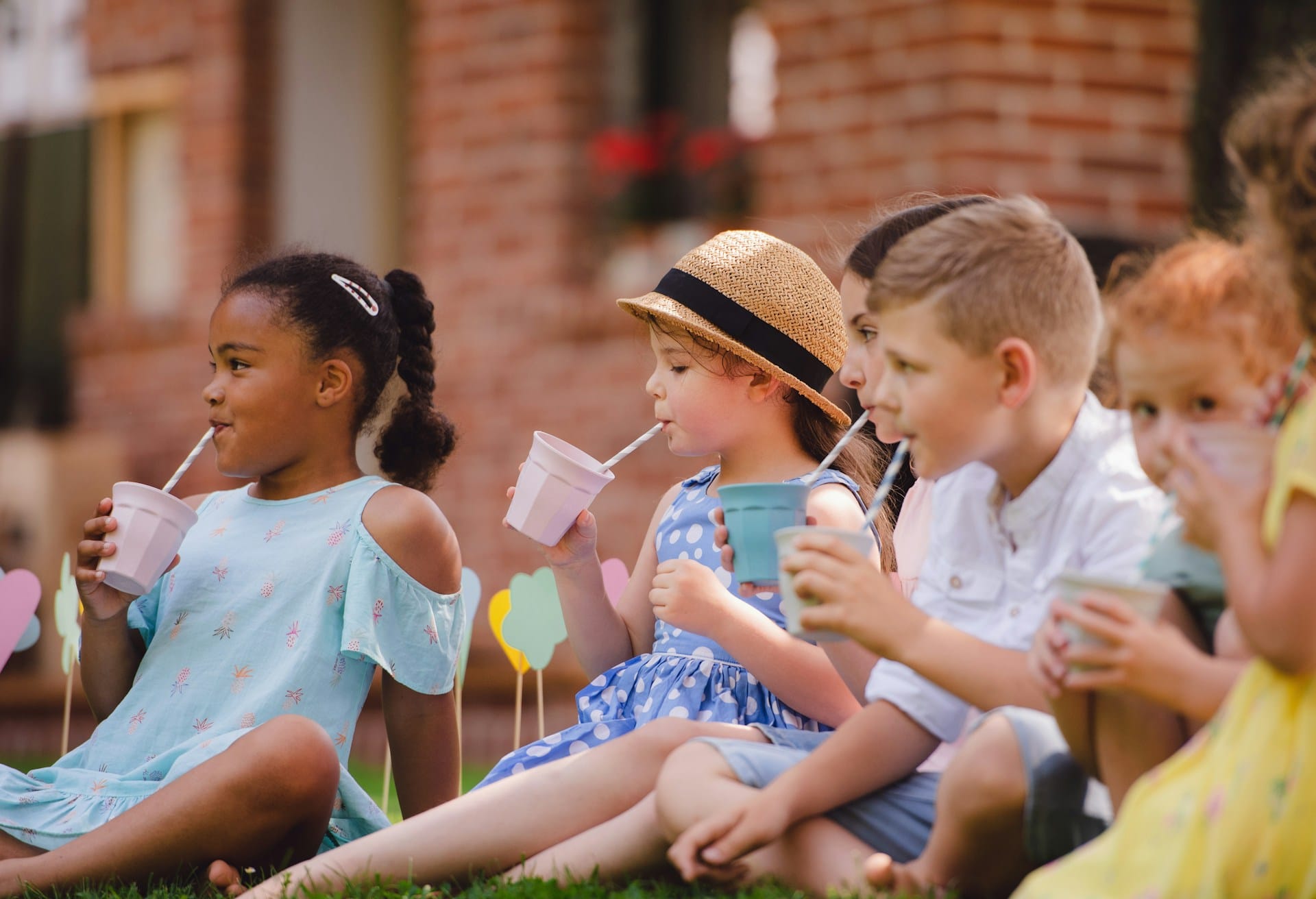
For adults, dining is about quality and presentation. For children, it’s about curiosity, surprise and participation. The opportunity is not to simplify your culinary offering—but to translate it into an experience that invites exploration.
A dish can become:
- A flavour adventure (“Can you find something smoky? Something sour?”)
- A cultural story (“This dish comes from…” told through visuals or play)
- A personal challenge (“Try three new things and earn your title”)
When a child begins to associate a dish with a moment—something they tried, chose or completed—food becomes memorable. And when food becomes memorable, dining becomes part of the story of the stay.
Uncover Property History — Transforming Heritage into Living Narrative

Hotels often sit on layers of history, both architectural and cultural. But history, when presented as static information, rarely connects with younger guests. Instead consider:
- A past brought to life through a character who “lived” it
- A timeline turned into a trail of discoveries across the property
- Hidden details revealed through clues, prompts or visual storytelling
The goal is not to teach history. It is to make it feel like something they are stepping into and uncovering themselves. When this happens, heritage shifts from being something preserved to something experienced and remembered.
Celebrate Key Characters — Humanising the Experience Through Story
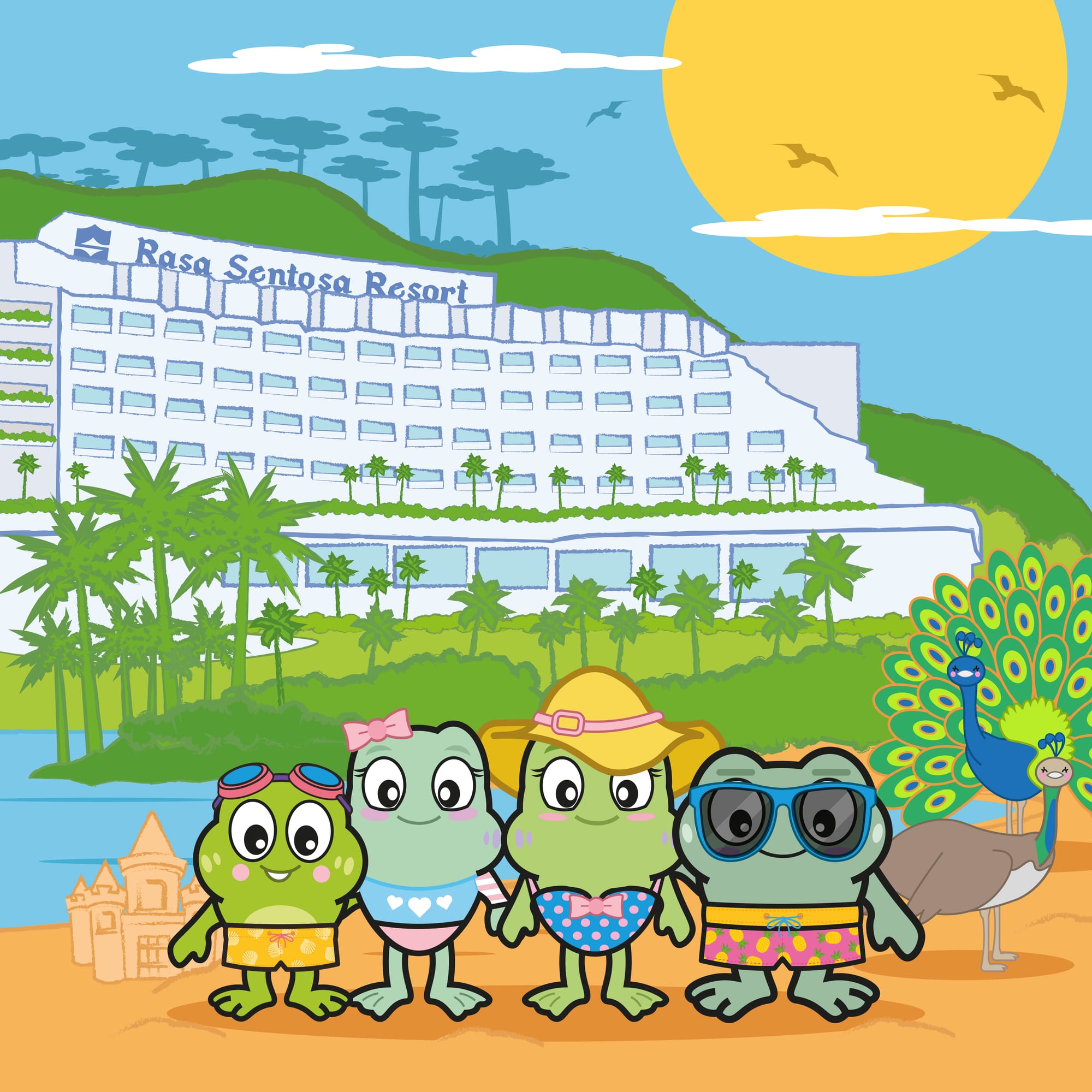
Hospitality is already deeply human. Your staff, rituals and traditions shape how guests feel. But for children, emotional connection happens fastest through recognisable and relatable figures.
This is where characters become powerful—not as decoration, but as story anchors.
- A mascot can act as a guide, welcoming them into the hotel’s world
- A recurring character can create continuity across different moments of the stay
- Even real traditions can be reframed through storytelling to feel approachable and familiar
Children don’t remember departments. They remember who they met and who guided them. When a hotel introduces a character or narrative companion, it creates a thread that ties the entire experience together.
Champion Sustainability — From Values to Visible Action
Sustainability is one of the most important narratives in modern hospitality.
But when communicated abstractly, it often passes unnoticed—especially by children. What resonates instead is agency.
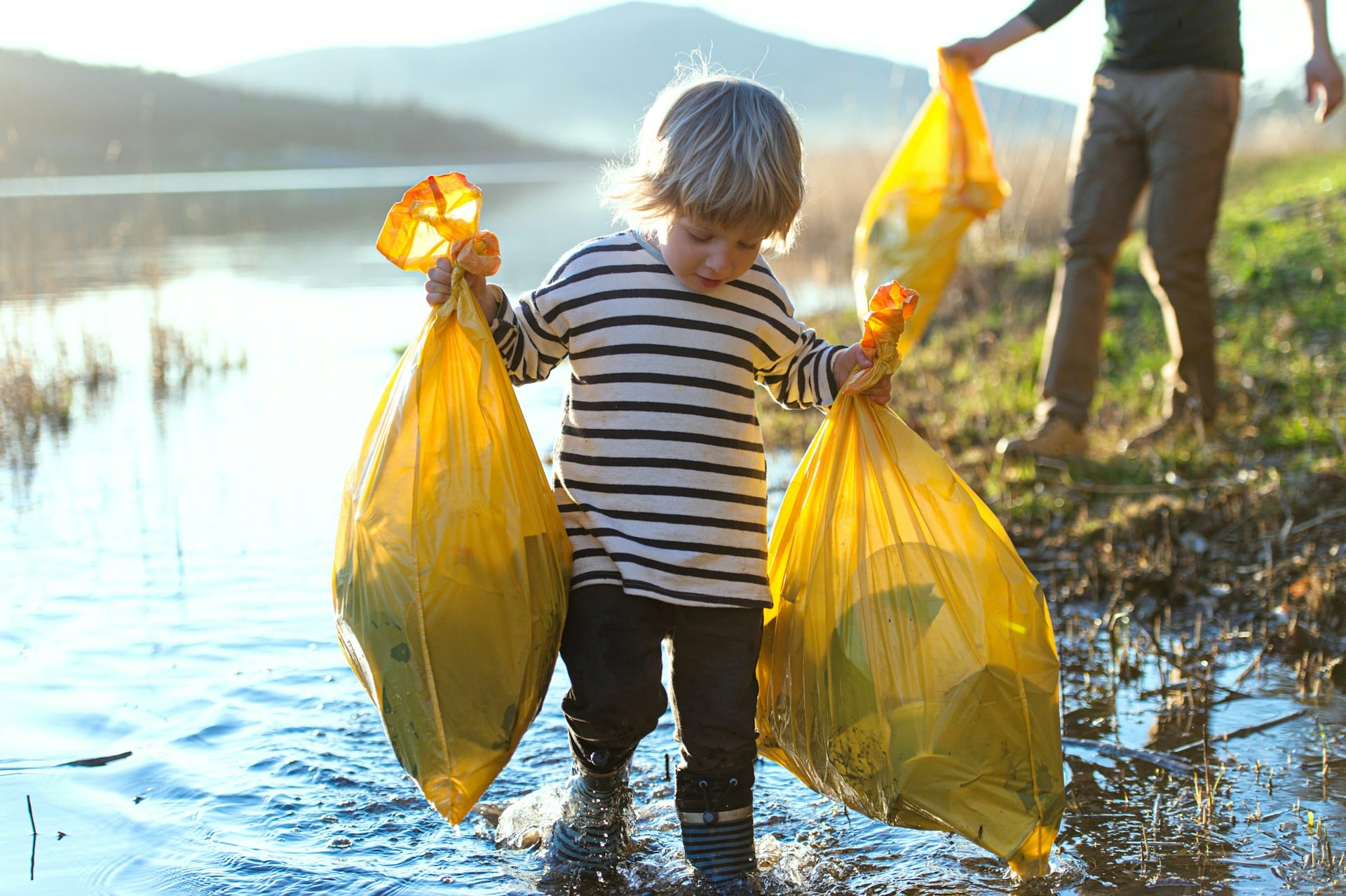
Children engage when they can do something, see the result and understand why it matters. This might look like:
- Small eco-missions integrated into the stay
- Visual cues that show impact (“You helped save…”)
- Simple cause-and-effect storytelling embedded in activities
When sustainability becomes participatory, it shifts from a background value to a personal experience of contribution. And importantly, it becomes something families talk about together.
Embrace Local Culture — From Observation to Meaningful Participation
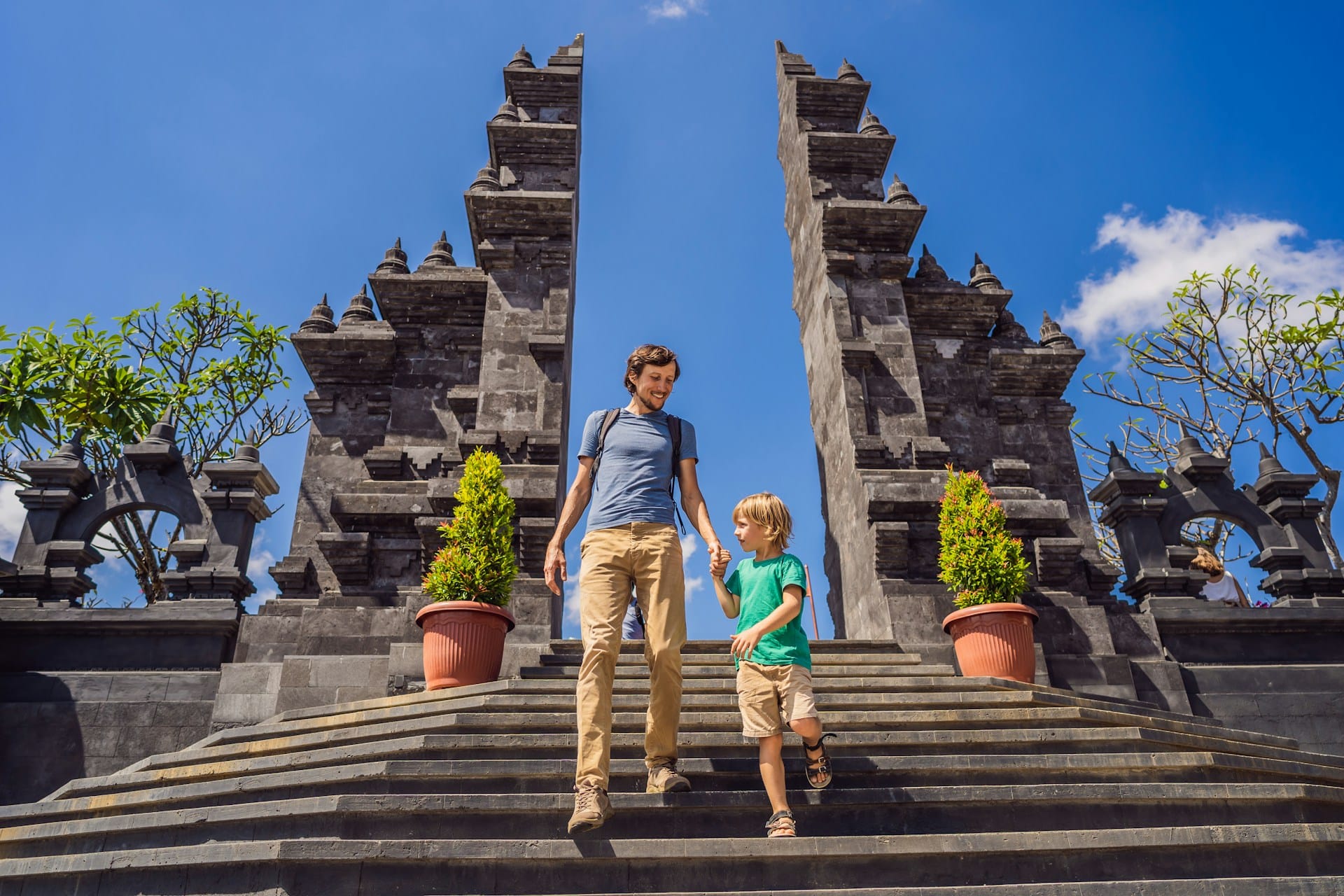
Hotels often serve as gateways to a destination’s culture. But for children, observation alone rarely creates connection. They need to interact, interpret, and create. Cultural storytelling becomes powerful when:
- Traditions are translated into hands-on activities
- Art, food, and customs are introduced through play
- Children are invited to make something of their own inspired by the place
When culture is experienced this way, it stops being abstract. It becomes something children can hold, shape and remember.
Explore the Environment — Turning Landscapes into Living Worlds of Discovery
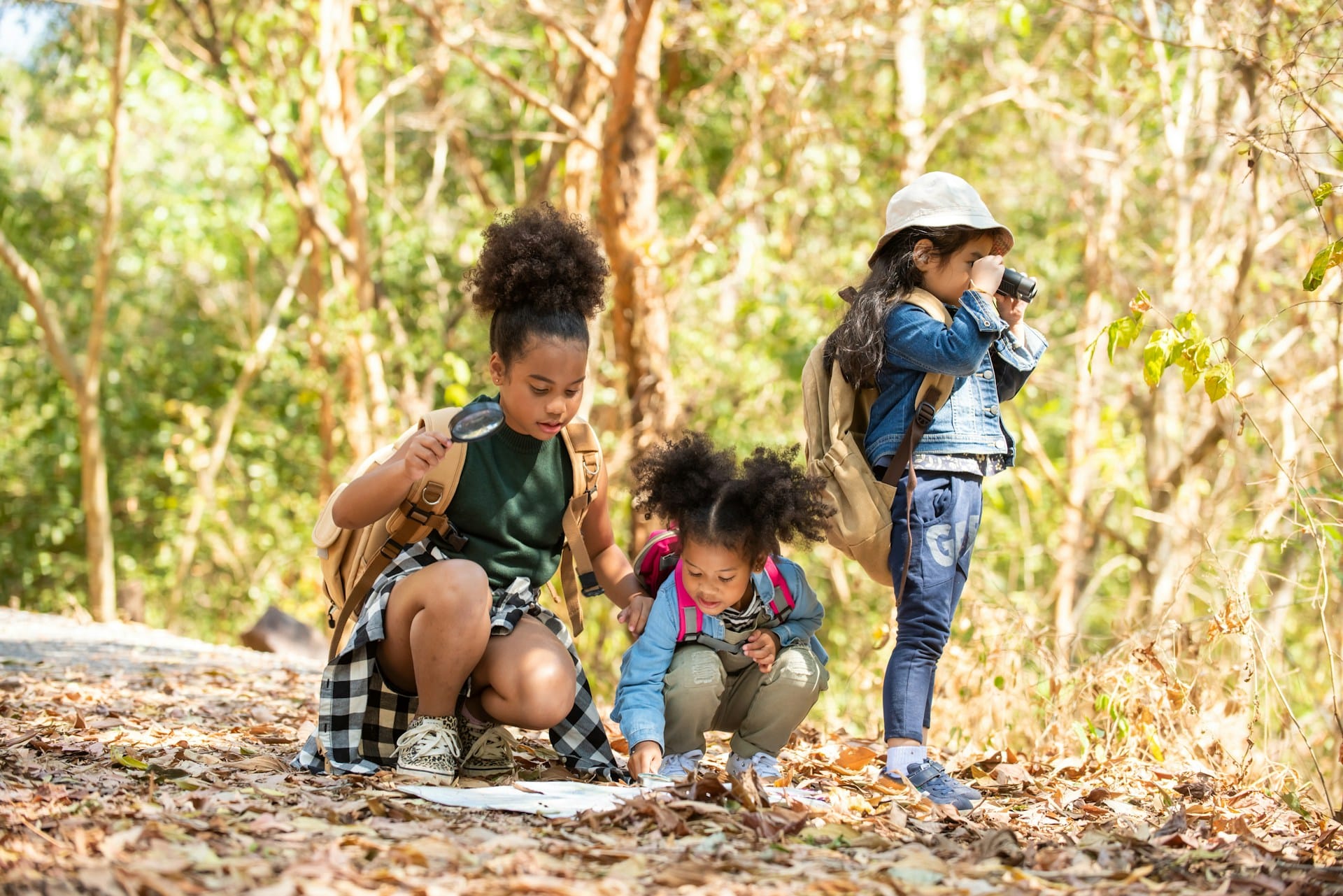
Hotels are shaped by their surroundings—coastlines, gardens, cityscapes, forests or heritage districts. The opportunity is to move beyond showcasing your surroundings—and translate them into experiences children can interact with, explore and imagine. This might look like:
- At a beach, children are invited to spot unusual shells, trace animal tracks in the sand or notice how the tide changes.
- A heritage district setting can unfold as a story trail, where each stop reveals a small piece of the past in a way children can follow.
- A forested or nature-adjacent property can invite children to listen for bird calls or feel different textures (bark, leaves, stones).
When approached this way, your surroundings are no longer just part of the backdrop. They become an active layer of the guest experience—one that children don’t just see, but step into and explore.
Define Guest Journey — Shaping the Stay into a Story
The guest journey is where your hotel’s story becomes real—told not in concepts, but through the spaces guests move through. Instead of viewing the stay as a series of functions (check-in, room, dining, facilities), the opportunity is to shape it as a flowing sequence of connected stories—each one anchored in something tangible. This might look like:
- Beginning (Arrival & Introduction) - The lobby becomes the moment the story begins. A simple welcome card or activity sheet handed at check-in can introduce a character or “mission,” giving children an immediate sense of entry into the experience.
- Middle (Discovery, Activities & Progression) - Around the property, facilities become distinct story worlds with something unique to explore. For example, a simple poolside bingo game where children tick off moments like “Make a big splash” or “Spot something blue,” turning play into participation.
- End (Completion, Reflection & Keepsake)- The stay concludes with a sense of completion—whether through a finished activity, a small reward, or something tangible to take home, reinforcing the journey they’ve experienced.
The goal isn’t to add complexity, but to reframe what already exists as meaningful experiences. Because what families remember isn’t each individual space— it’s how those spaces come together as a series of connected stories they’ve actively experienced.
Every Property Has a Story Worth Telling to Every Age
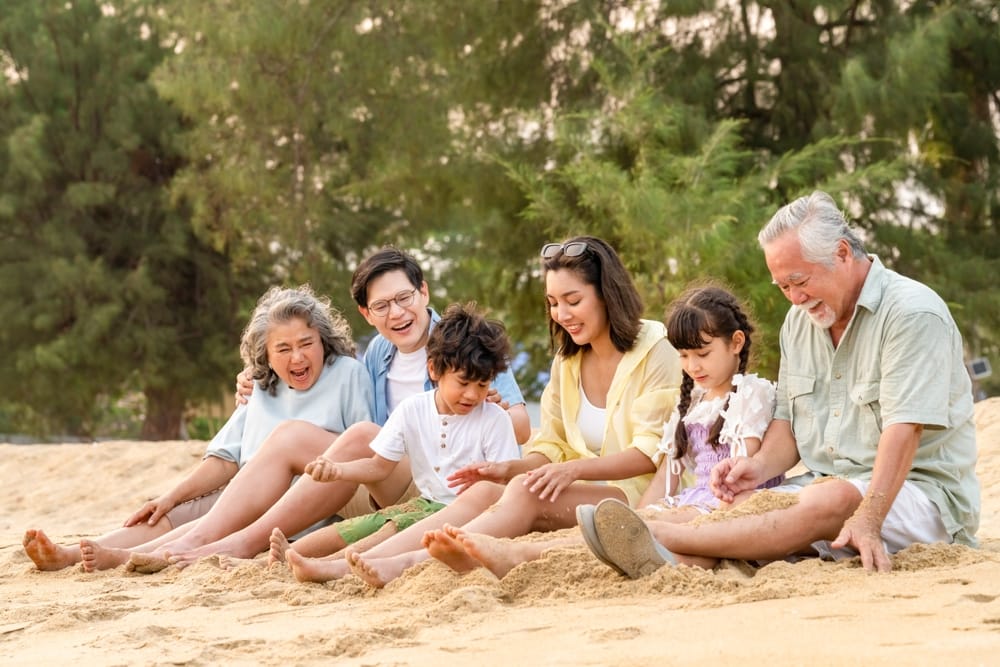
The most powerful hotel stories aren't told only to adults. They're told to the whole family — in language a child can understand, through experiences a child can remember and with characters a child can love.
When your property's narrative is designed to be felt by the youngest guests, something remarkable happens: the whole family pays attention. Parents lean in. Children light up. And the story of your hotel becomes a story they tell to family and friends, and one day, to their own children.
That is a story worth building.
Get Our Free Family Translation Guide for Hotels
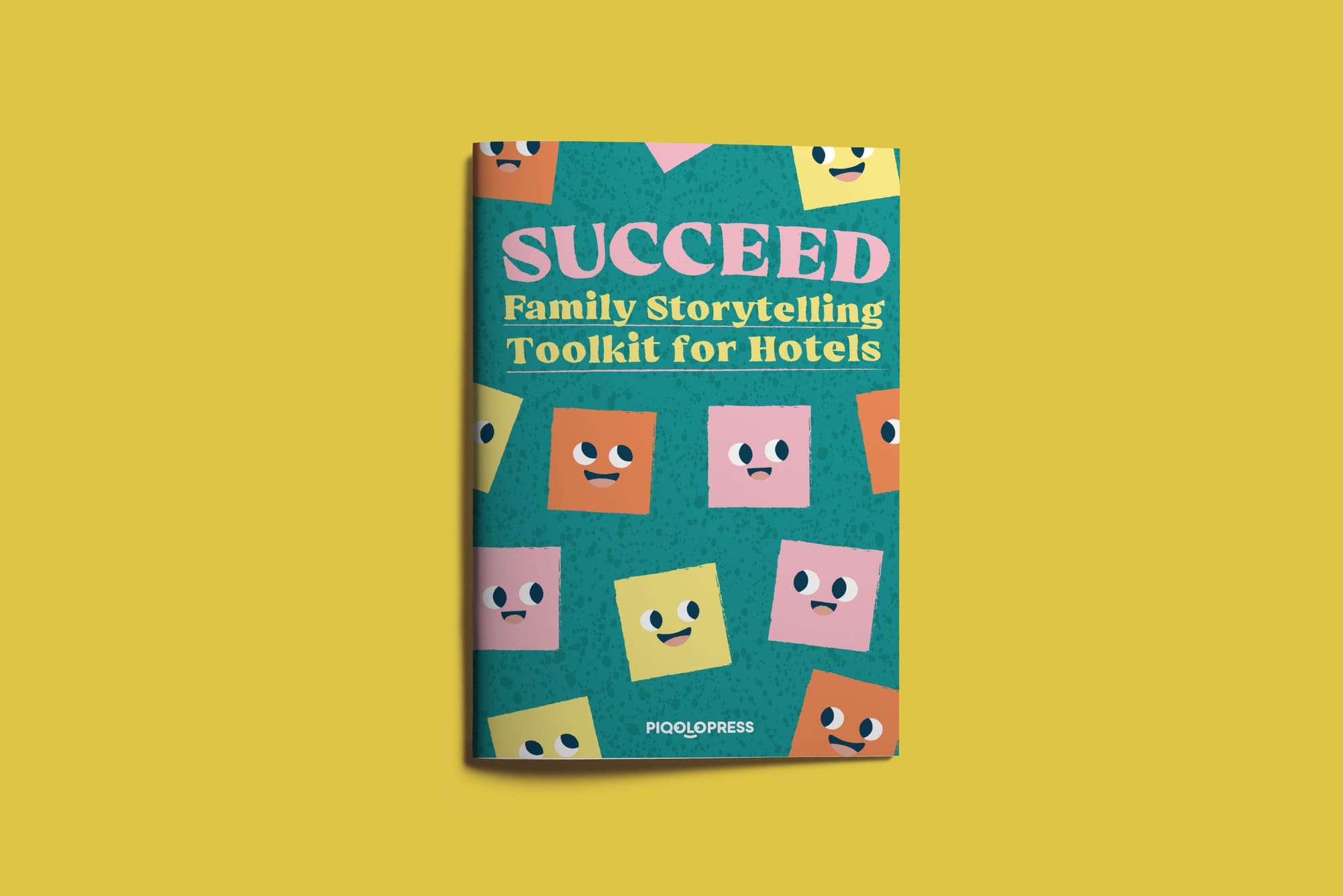
SUCCEED: Family Storytelling Toolkit for Hotels (PDF ONLY)
A 21-page PDF that helps you turn your hotel spaces, dining and guest journey into story-led family experiences—without renovation.
Subscribe to access this free toolkit and more weekly ideas.
Let Us Help You Get Started
 Wan Tsau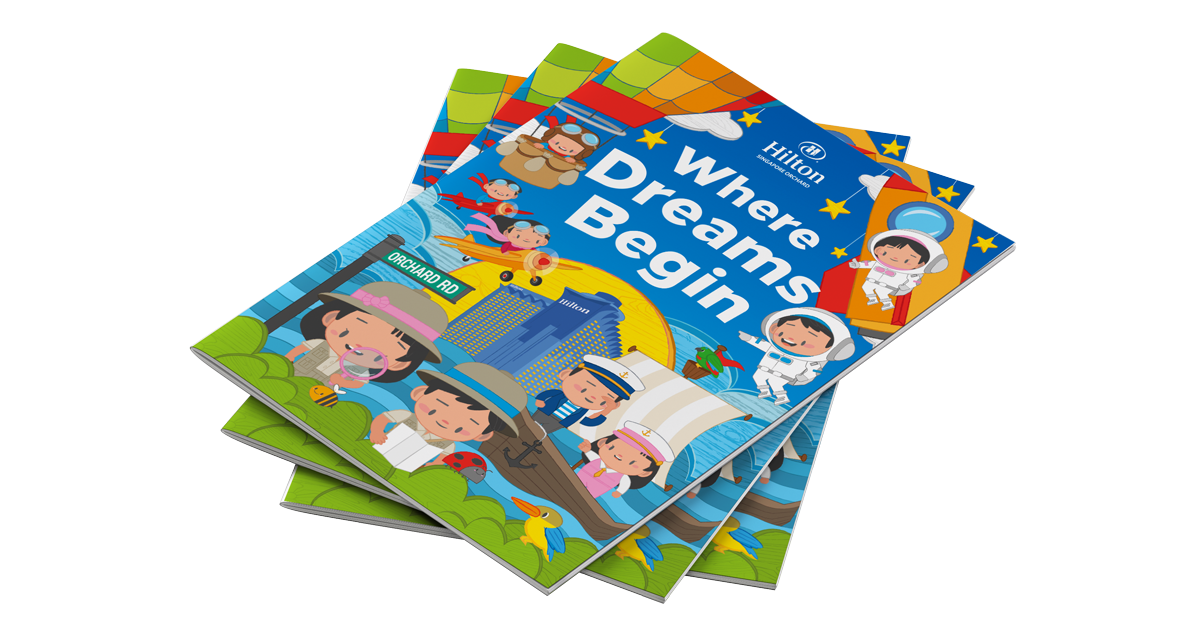
 Wan Tsau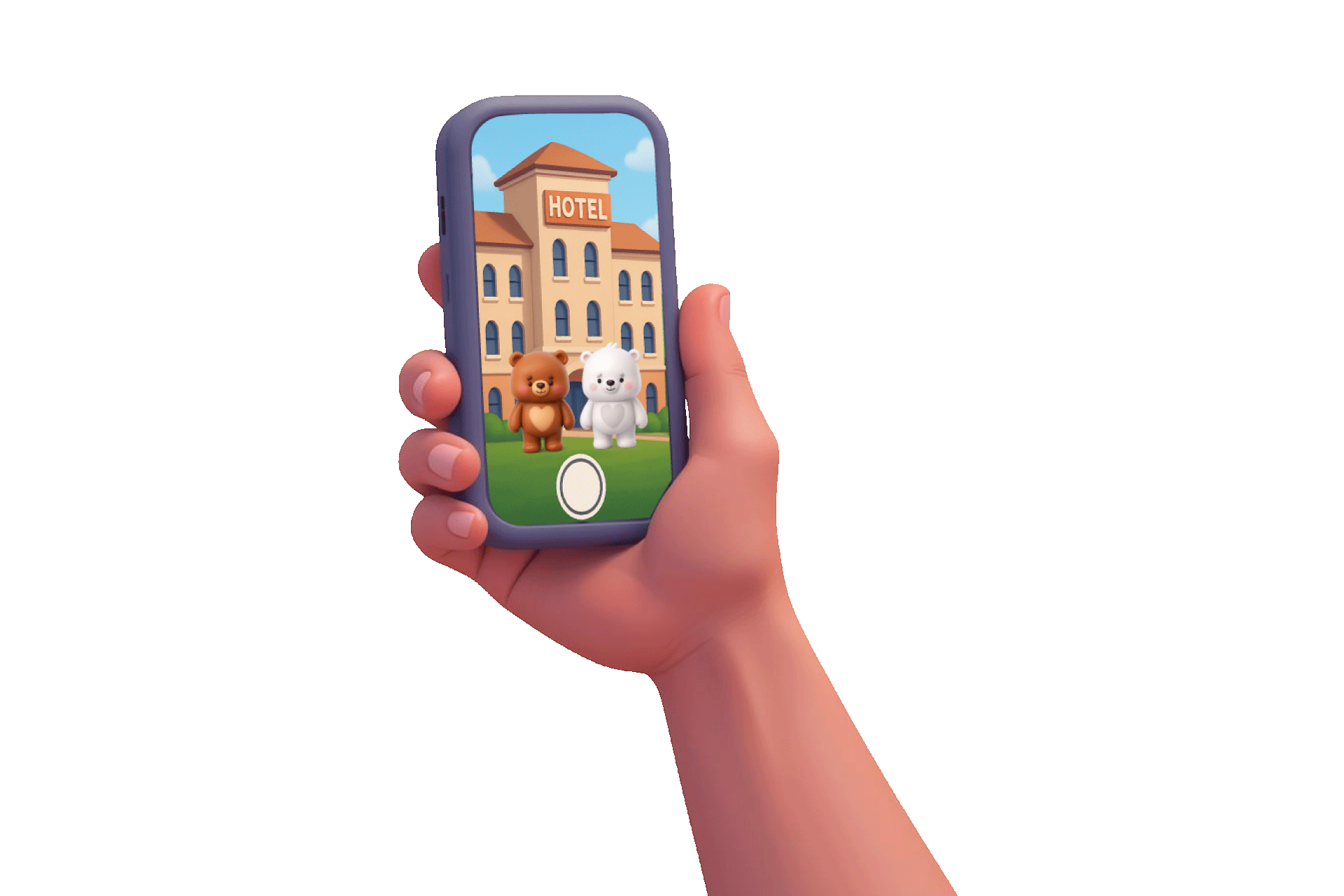
If you need a hand shaping and telling your property’s story, Piqolo Press is here to help. Our bespoke kids activity books and AR experiences can bring each property's unique story to life, creating meaningful touch points that enhance guest engagement and leave a lasting impression long after their stay.
Let’s craft something extraordinary together—because every exceptional property deserves a great story.
Let's Chat!
Fill up the contact form below OR drop us an email here.


