


Based on an interview with the hotel’s General Manager, Remco Rademaker. This article explores how The Danna Langkawi, a luxury beachfront resort in Malaysia, creates memorable family holidays through personalised guest experiences, local cultural discovery and employee empowerment. It offers practical insights for hoteliers looking to improve family hospitality and create meaningful experiences for guests of all ages.
LANGKAWI, as a holiday destination, offers more than just its beaches. Its ancient rainforests, limestone formations, mangrove ecosystems and rich folklore offer visitors a combination of natural charm and cultural discovery. On the island’s western coast, Pantai Kok provides a tranquil setting, with forested hills rising behind a sheltered bay and the Andaman Sea stretching beyond.
The Danna Langkawi Resort & Beach Villas, a member of Small Luxury Hotels of the World, has established itself here. With its colonial and Mediterranean-inspired architecture, landscaped grounds, and beachfront setting, the resort blends old-world hospitality with contemporary expectations of comfort and service. Its location also places guests within reach of some of Langkawi’s better-known natural attractions.
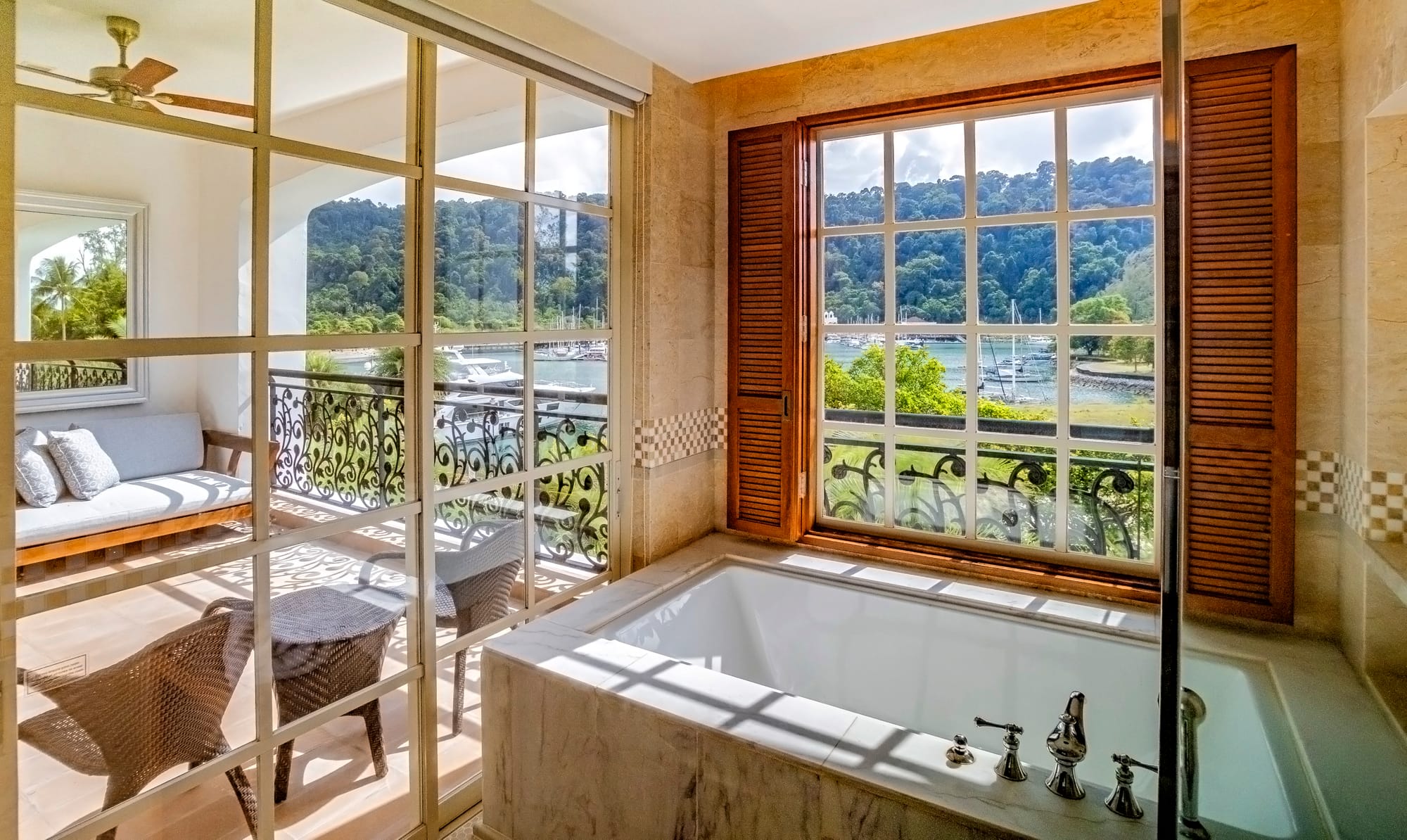
But a distinctive setting and luxury accommodation alone do not guarantee a memorable holiday, particularly for families travelling with children. At The Danna, the emphasis is increasingly on experiences that bring generations together, introduce younger guests to the destination and make each family member feel recognised. The resort’s approach offers useful lessons for hospitality operators seeking to appeal to family travellers without relying solely on facilities, amenities, or expensive attractions.
Make Children Feel Like VIPs
At The Danna Langkawi, the effort to make families feel welcome begins with the youngest guests. On arrival, children may receive a cookie or be invited to feed the fish in the resort’s courtyard ponds. These simple gestures send an important message: children are recognised as guests in their own right, not merely as companions to their parents.
Simple gestures send an important message: children are recognised as guests in their own right, not merely as companions to their parents.
“We want our younger guests to feel just as welcomed and cared for as their parents,” says General Manager Remco Rademaker. The attention extends to the guestroom, where a special Danna kids’ sleeping tent, with lanterns, colouring books, beach toys, soft toys, and homemade treats, helps create a space children can call their own.
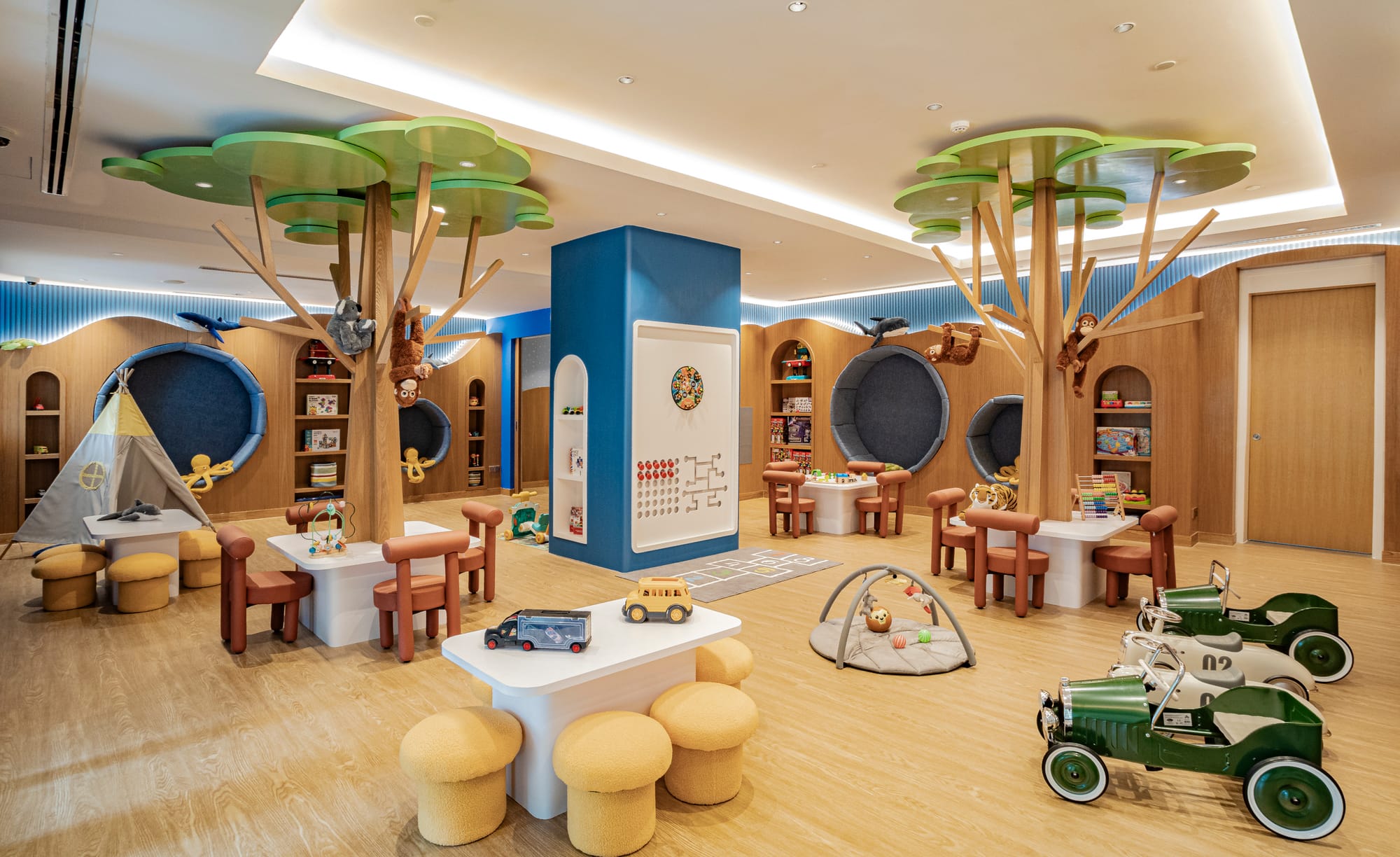
At The Danna Jr. Club, children aged four to 11 take part in supervised activities, from arts and crafts and sports to interactive games and fish feeding. Together, these experiences engage children through play, investigation and learning.
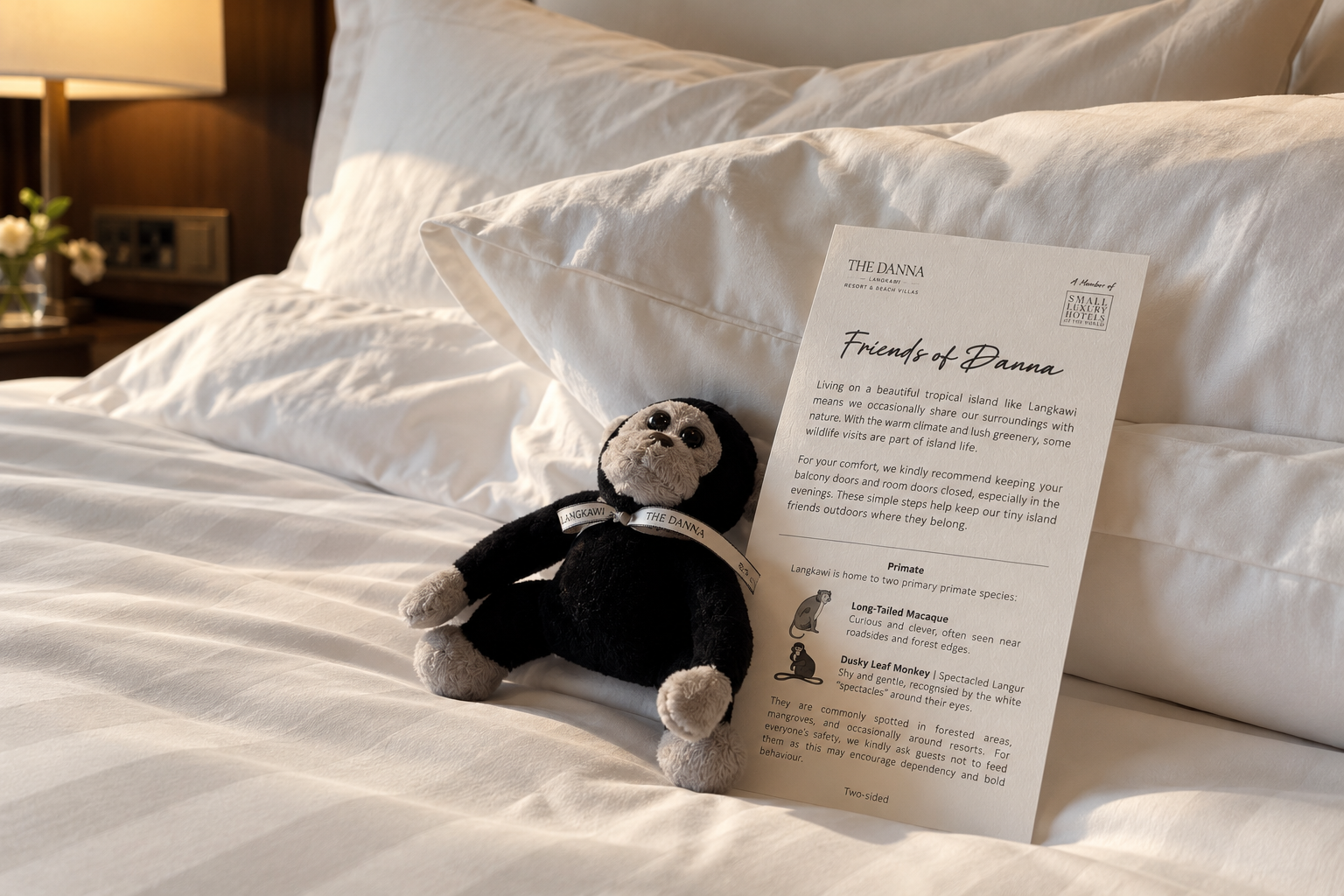
One especially appealing touch is Danna Jr. Langur, a soft toy inspired by the dusky langur, one of Langkawi’s native wildlife species. More than a conventional hotel souvenir, it gives younger guests a companion associated with the destination and, potentially, a lasting memento of their holiday. Such details show how a resort can create a sense of occasion for children without relying entirely on elaborate facilities or expensive entertainment.
Bring the Destination Into the Stay
Beyond making children feel welcome, The Danna Langkawi also draws on the island’s natural and cultural heritage to enrich the family holiday. Langkawi’s 99-island archipelago, ancient geological landmarks, tropical wildlife, and local legends offer a wealth of experiences that connect guests with their surroundings.
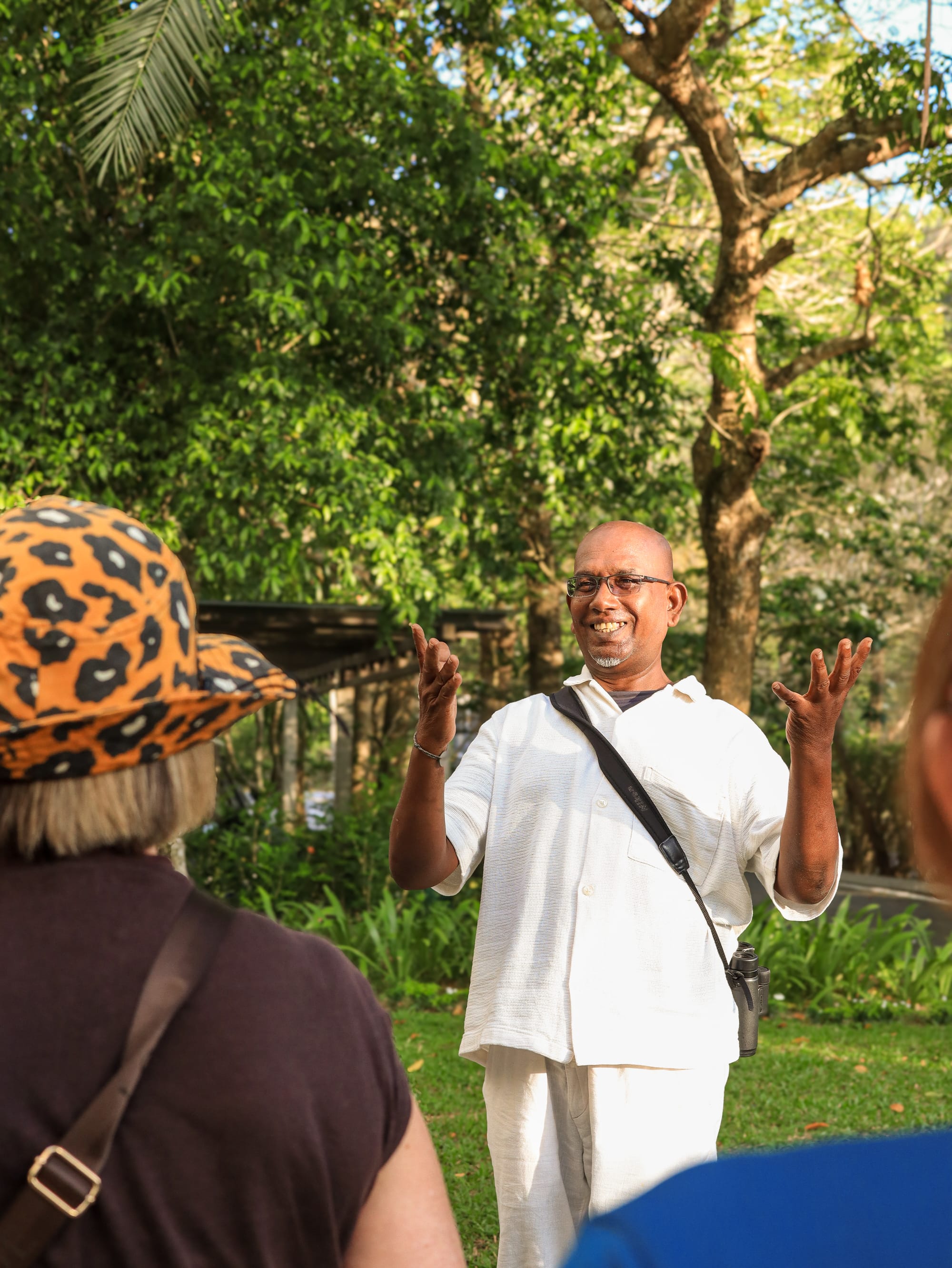
The resort’s complimentary Morning Walk, held twice weekly, introduces guests to the property and its natural setting. Its colonial and Mediterranean-inspired architecture, landscaped grounds, beachfront pathways, and views of the Andaman Sea and surrounding mountains offer opportunities for discovery and storytelling. Families can experience aspects of Langkawi’s distinctive environment without leaving the resort.
These connections give the holiday a sense of place, rather than making it an experience that could be replicated at almost any beach resort.
For younger guests, even well-known sights can become learning opportunities about the destination. The dusky langur, for example, is more than a cuddly souvenir; it’s also an introduction to the island’s wildlife. These connections give the holiday a sense of place, rather than making it an experience that could be replicated at almost any beach resort.
Create Family-Bonding Experiences
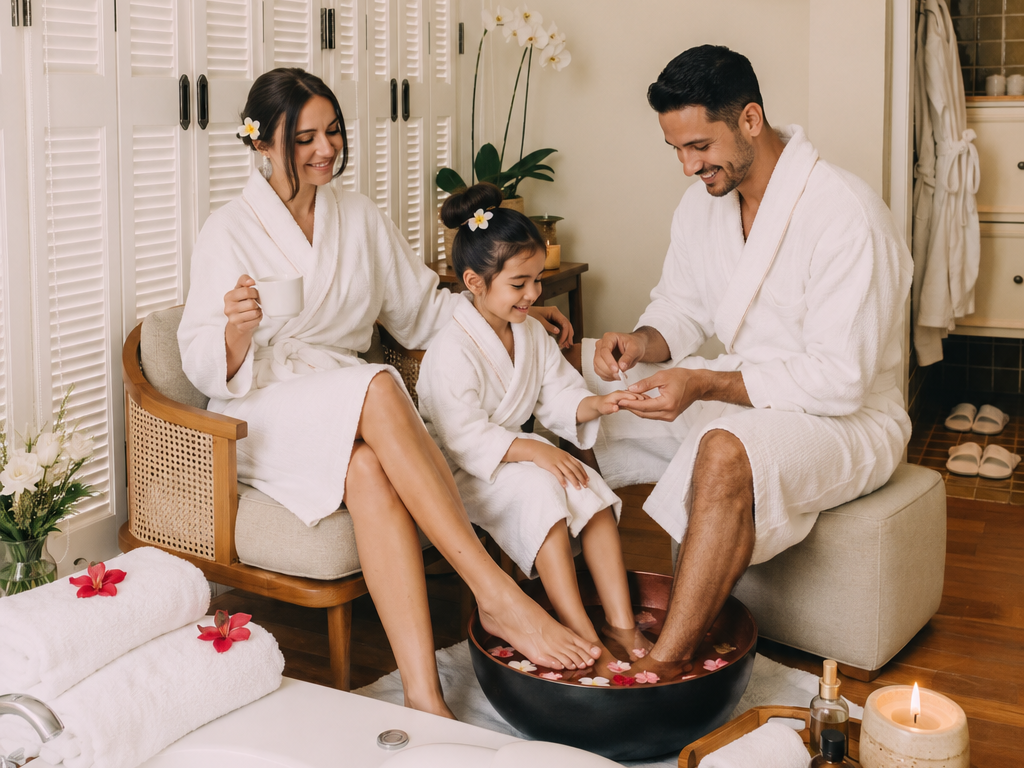
Family travel is not necessarily about keeping children occupied while adults relax. These days it’s more about generating opportunities for families to spend meaningful time together. The resort’s Mommy and Me spa experience reflects this approach, allowing parent and child to enjoy a wellness treatment together rather than separately.
“We believe wellness can be a shared experience between parent and child,” says Rademaker. “Rather than having parent and child spend time apart during a spa treatment, our Mommy and Me spa experience allows them to relax and enjoy this special time together.”
Whether relaxing or adventuring, the emphasis is on shared participation rather than separate programmes for adults and children.
The same thinking extends to outdoor activities. Families may explore the coastline by kayak, enjoy the water aboard Ceclo electric pedal boats or discover more of Langkawi together by bicycle. Whether relaxing or adventuring, the emphasis is on shared participation rather than separate programmes for adults and children.
Discover Local Food Together
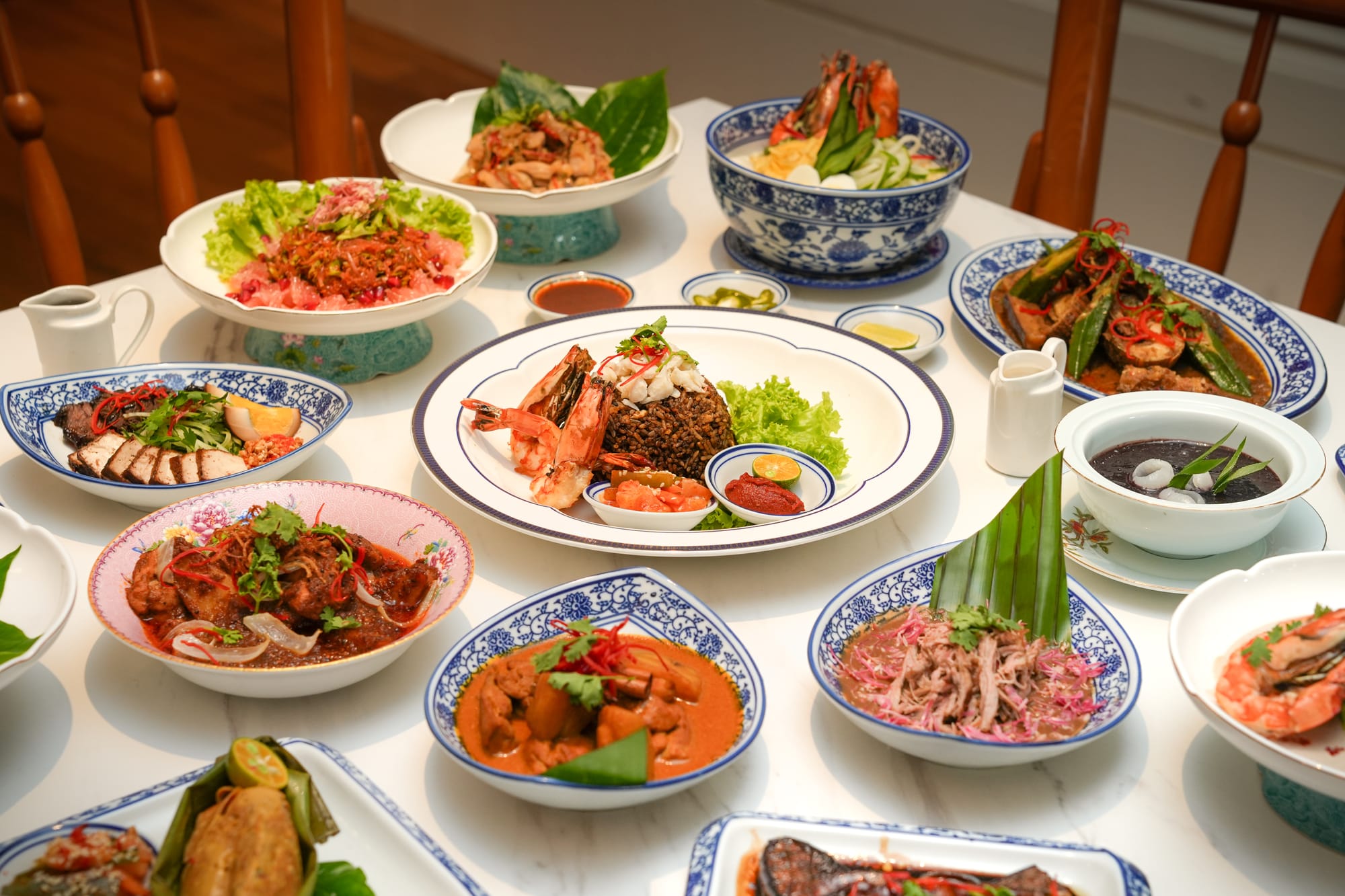
Food provides another opportunity for family bonding while introducing guests to the destination’s culinary heritage. At The Danna Langkawi, dining experiences combine Malaysian flavours with familiar choices for younger guests.
Sharing a meal can thus become an informal introduction to Malaysian food culture, with something to satisfy different tastes and ages.
At Straits & Co., families can explore Malaysia’s rich Peranakan cooking tradition through dishes designed for sharing such as popiah, ngoh hiang, ayam pongteh, udang chilli garam, and gerang asam ikan pari. The meal gives different generations a chance to sample unfamiliar flavours and discover the Chinese and Malay influences behind the cuisine.
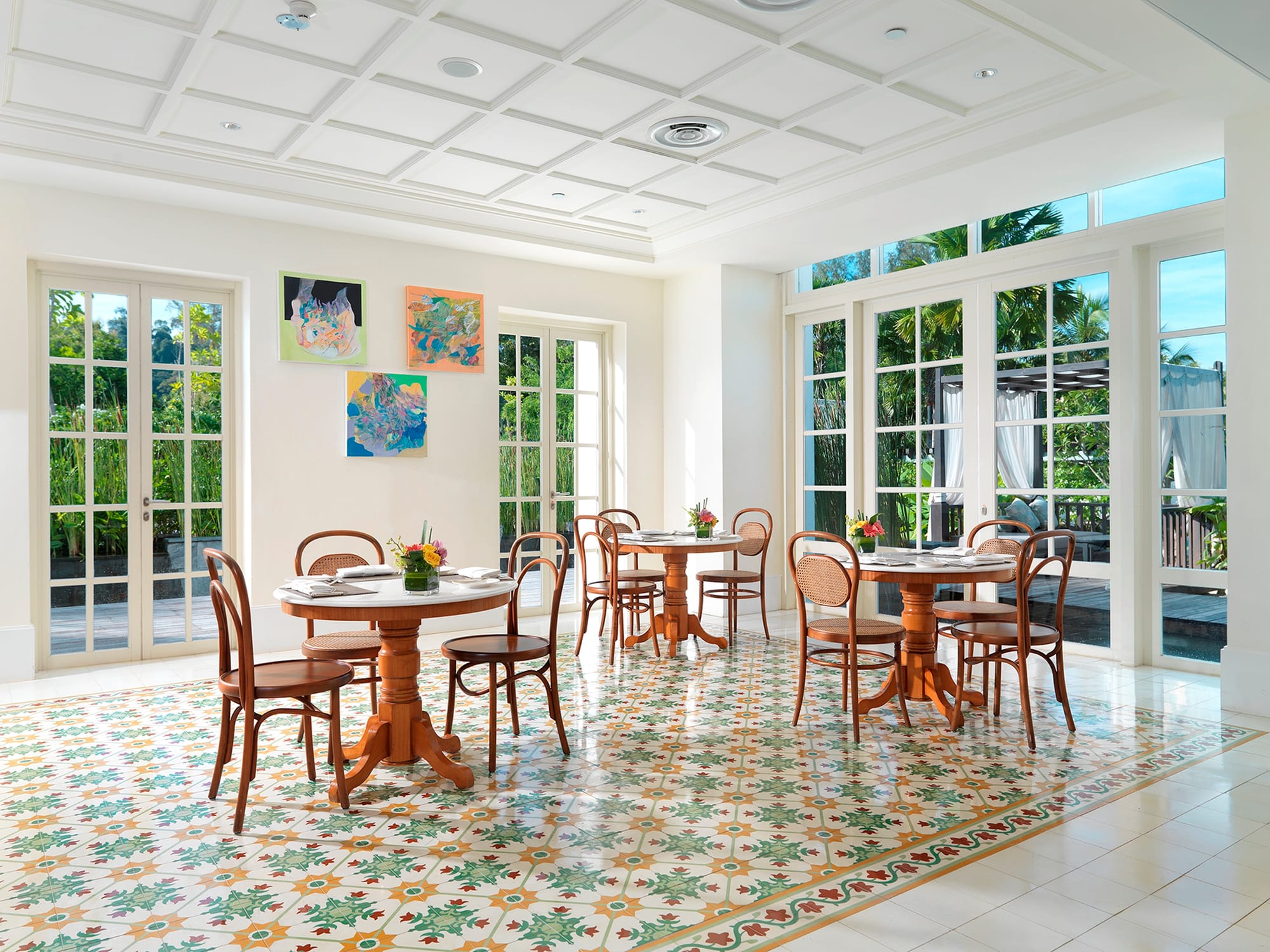
At Planter’s, the resort’s all-day dining restaurant, Malaysian favourites include udang masak lemak, beef rendang, satay and nasi goreng. A dedicated children’s menu offers familiar alternatives such as chicken nuggets, macaroni, pasta bolognese, sausages and burgers.
The combination allows parents to experience local cuisine without expecting children to accept every unfamiliar dish. Sharing a meal can thus become an informal introduction to Malaysian food culture, with something to satisfy different tastes and ages.
Personalisation Isn’t Necessarily Costly
Beyond dining and shared activities, The Danna Langkawi shows how small, attentive gestures can make a family holiday memorable without significantly increasing costs.
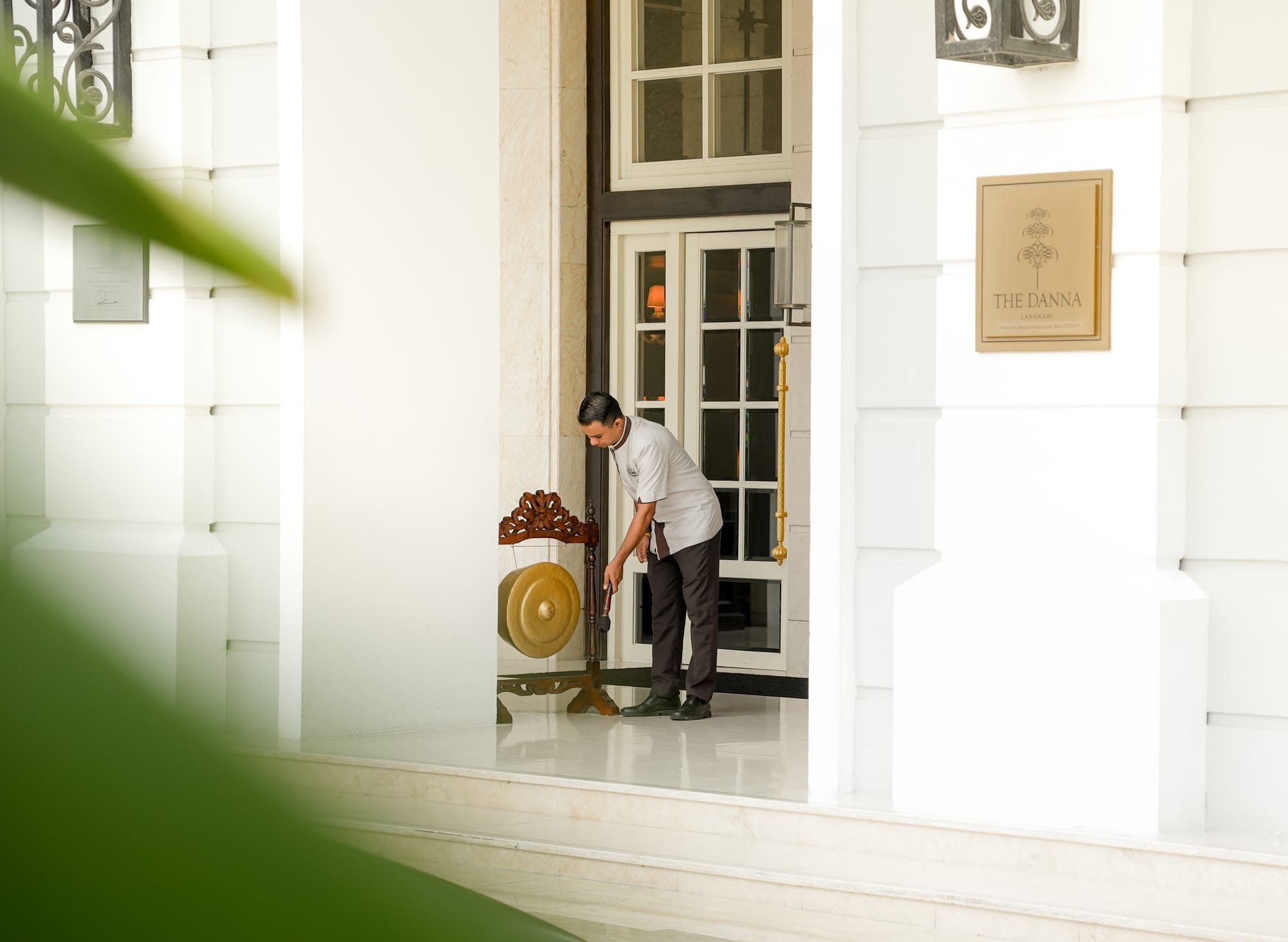
The resort’s signature welcome rituals—a ceremonial gong, its Danna Spice welcome drink, and a soothing neck-and-shoulder massage—set the mood on arrival. But personalisation goes beyond these accepted practices, often arising from employees noticing and responding to individual choices.
Rademaker believes some of the most meaningful gestures begin with simple observation. For example, a child wearing Spider-Man slippers might be surprised by a Spider-Man colouring book. A guest returning from a long day of meetings might find a favourite drink waiting in the room.
Personalisation can be spontaneous rather than scripted, with employees turning small observations into gestures that make guests feel recognised.
“These small, considerate gestures show our junior guests their presence at The Danna has been noticed,” says Rademaker. “It further reassures parents we care about each member of their family.”
The examples reveal how personalisation can be spontaneous rather than scripted, with employees turning small observations into gestures that make guests feel recognised.
Empower Employees to Create the Experience
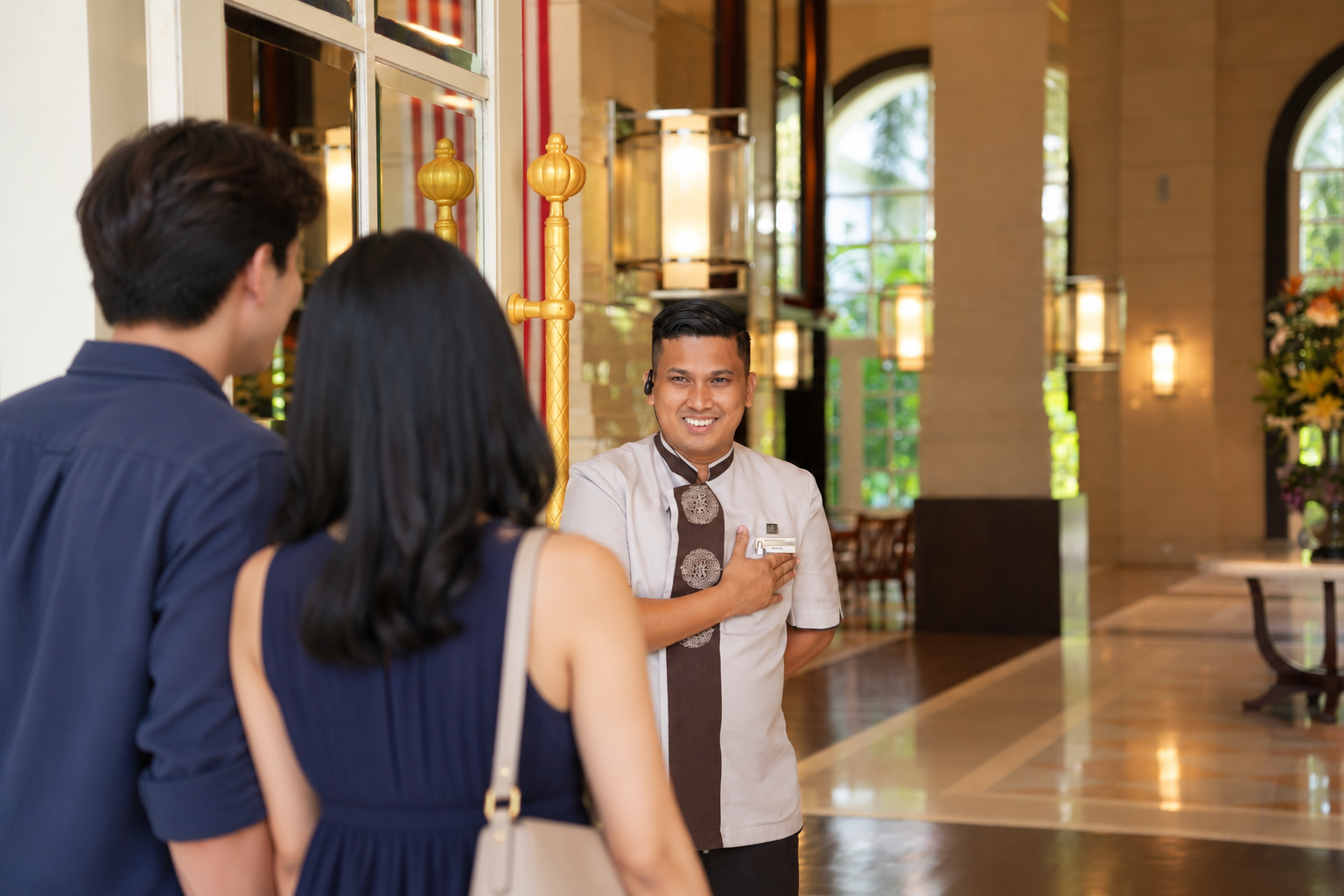
The personalised touches at The Danna Langkawi reflect an important operational principle: employees are encouraged to contribute ideas rather than merely follow established procedures.
Rademaker believes associates need a voice in decision-making and a feeling of ownership in improving the guest experience.
The resort has 270 associates, many with extensive knowledge of Langkawi, its people and culture. Their familiarity with the destination improves the guest experience, while routine interactions with guests offer insights into what families enjoy, need, or find lacking.
Rademaker believes associates need a voice in decision-making and a feeling of ownership in improving the guest experience. “Each of our associates has a different perspective on how we can create memorable memories for every guest.”
Good ideas don’t always come from management meetings. They may come from a waiter who remembers a family’s breakfast preferences, a housekeeper who notices a child’s interests or an associate who sees an opportunity to turn an ordinary activity into something memorable.
Cultivate a Culture of Listening and Adaptation
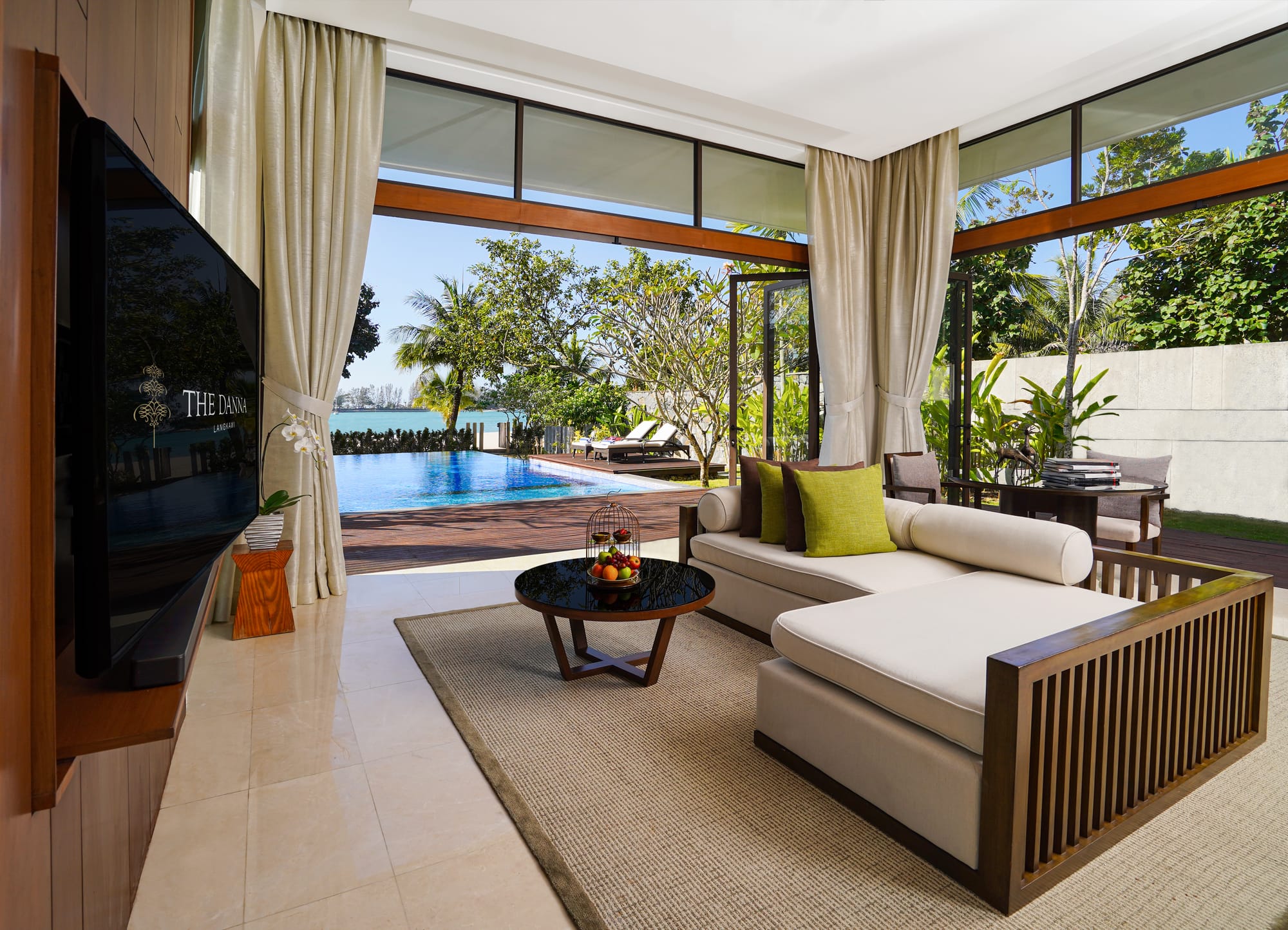
Empowering employees is only part of the process. Equally important is learning from guests and being prepared to change course. No universal formula exists for family hospitality. An activity that delights one family may leave another indifferent, while a promotion that succeeds during one school holiday may prove less appealing during the next.
Equally important is learning from guests and being prepared to change course. No universal formula exists for family hospitality.
The Danna introduces initiatives, observes guest responses, and adjusts as needed. “Once a new initiative is introduced, we listen to the response and are willing to modify it or move on if it does not resonate,” says Rademaker. “This openness keeps us focused on experiences our guests value.”
Look Beyond the Guest Room
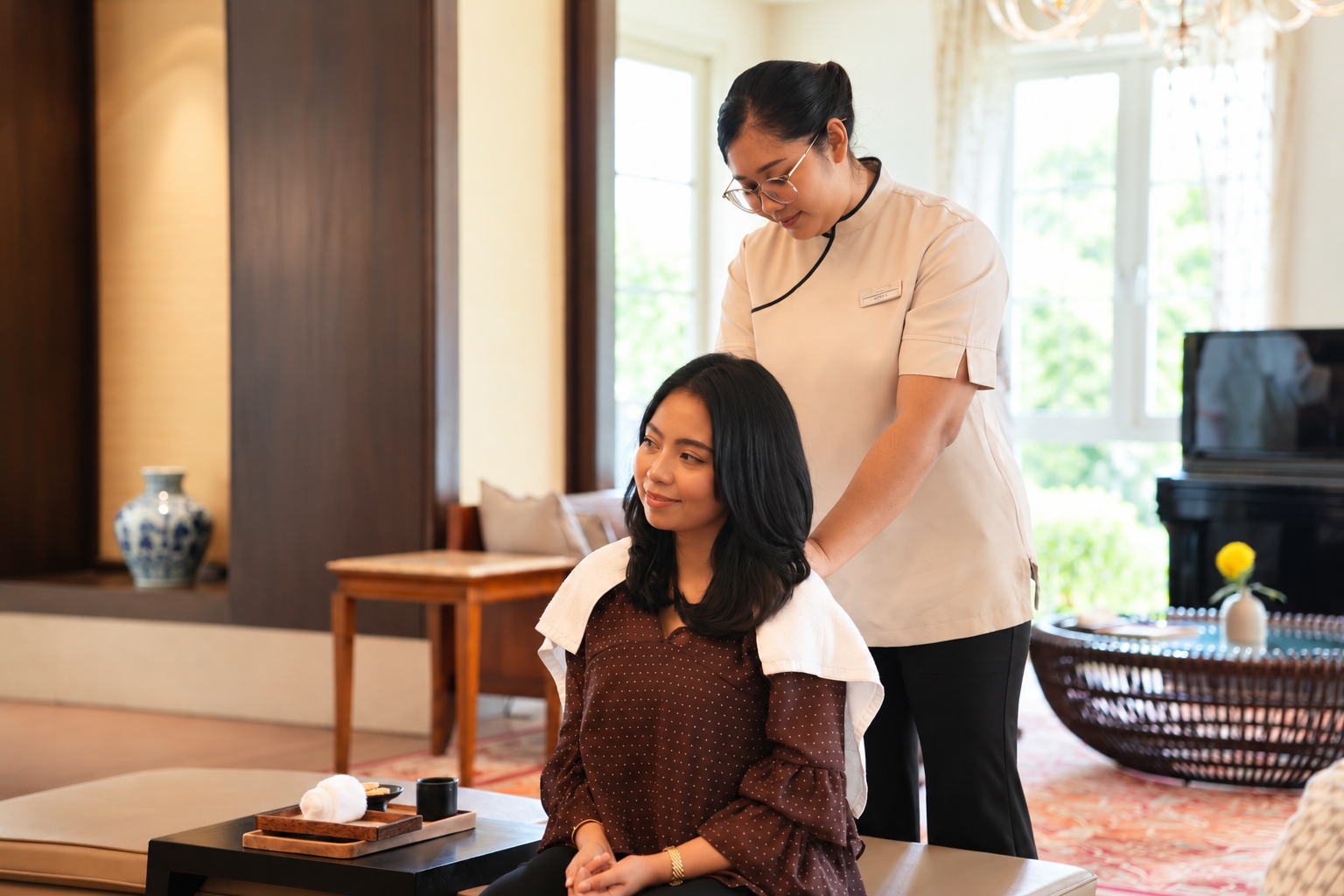
The expanding emphasis on experiences is changing how families evaluate hotels. Comfortable accommodation remains important, but guests also seek opportunities to explore, learn and share moments together.
Social media has added another dimension. Rademaker acknowledges that hotels encounter growing pressure to make their spaces, dining and activities visually attractive and “Instagrammable”. Yet a photo-worthy setting is not necessarily a memorable experience.
He believes technology, including artificial intelligence, can improve efficiency and simplify the guest journey, but it cannot replace personal attention.
"Technology is able to streamline the guest journey, but it cannot replace true human connection." - Rademaker
“Technology can support that care, but it is our people who make guests feel appreciated and looked after,” he says. “This is particularly relevant as hotels gradually adopt AI and technology to improve efficiency. Technology is able to streamline the guest journey, but it cannot replace true human connection.”
Start With Your People
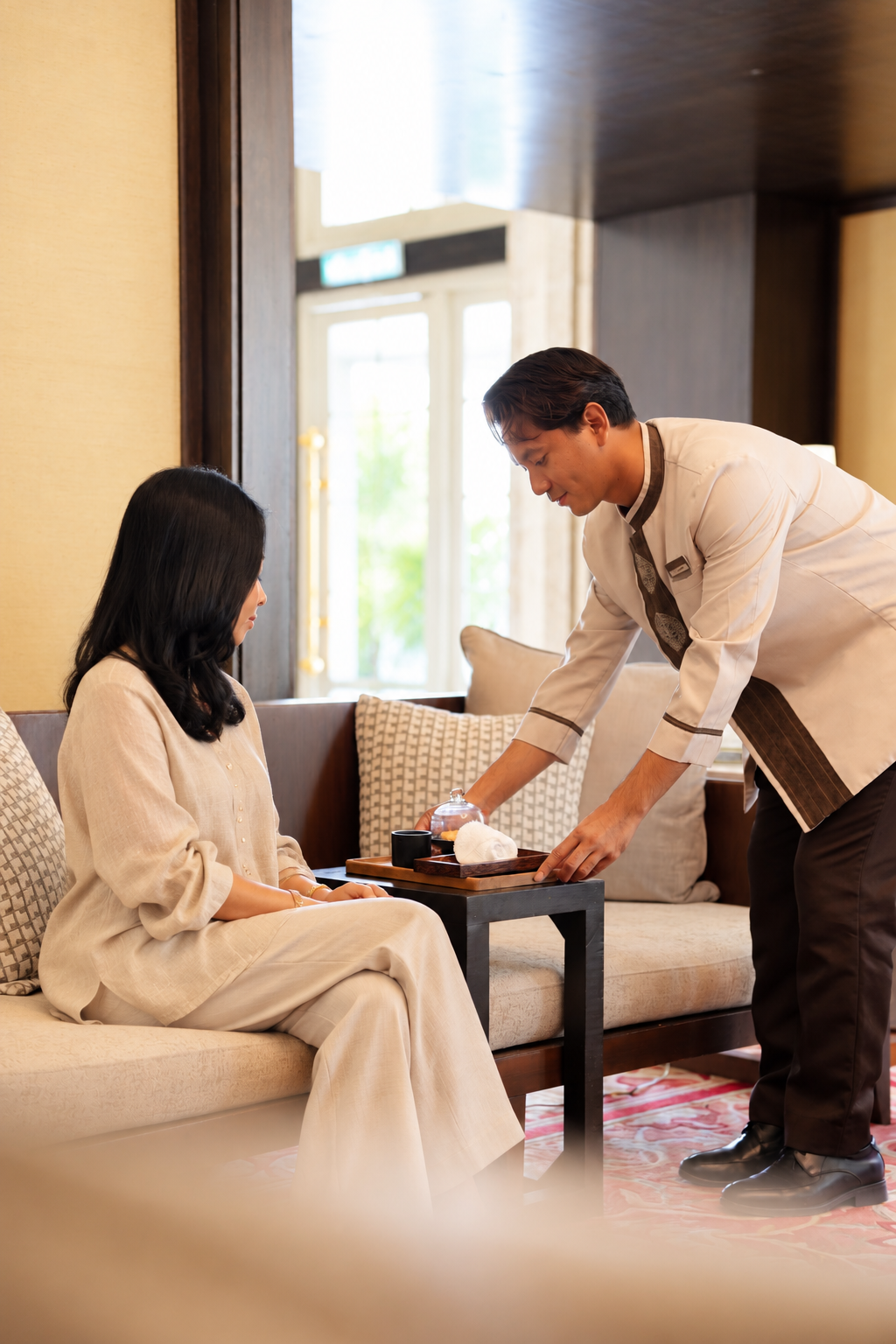
Ultimately, The Danna’s approach to family hospitality rests on the relationship between management, employees and guests. Rademaker believes leaders have a responsibility “to take care of those in our charge, rather than simply be in charge. When employees become respected, supported and connected to their work, they are more likely to extend that same care to guests.”
For families, this care may look like an employee remembering a child’s name, proposing an activity suited to different ages, or noticing when parents need help.
"When employees become respected, supported and connected to their work, they are more likely to extend that same care to guests." - Rademaker
Such moments are difficult to prescribe in an operating manual. But they often distinguish a genuinely welcoming hotel from one that simply provides family-friendly facilities.
10 Lessons for Better Family Hospitality
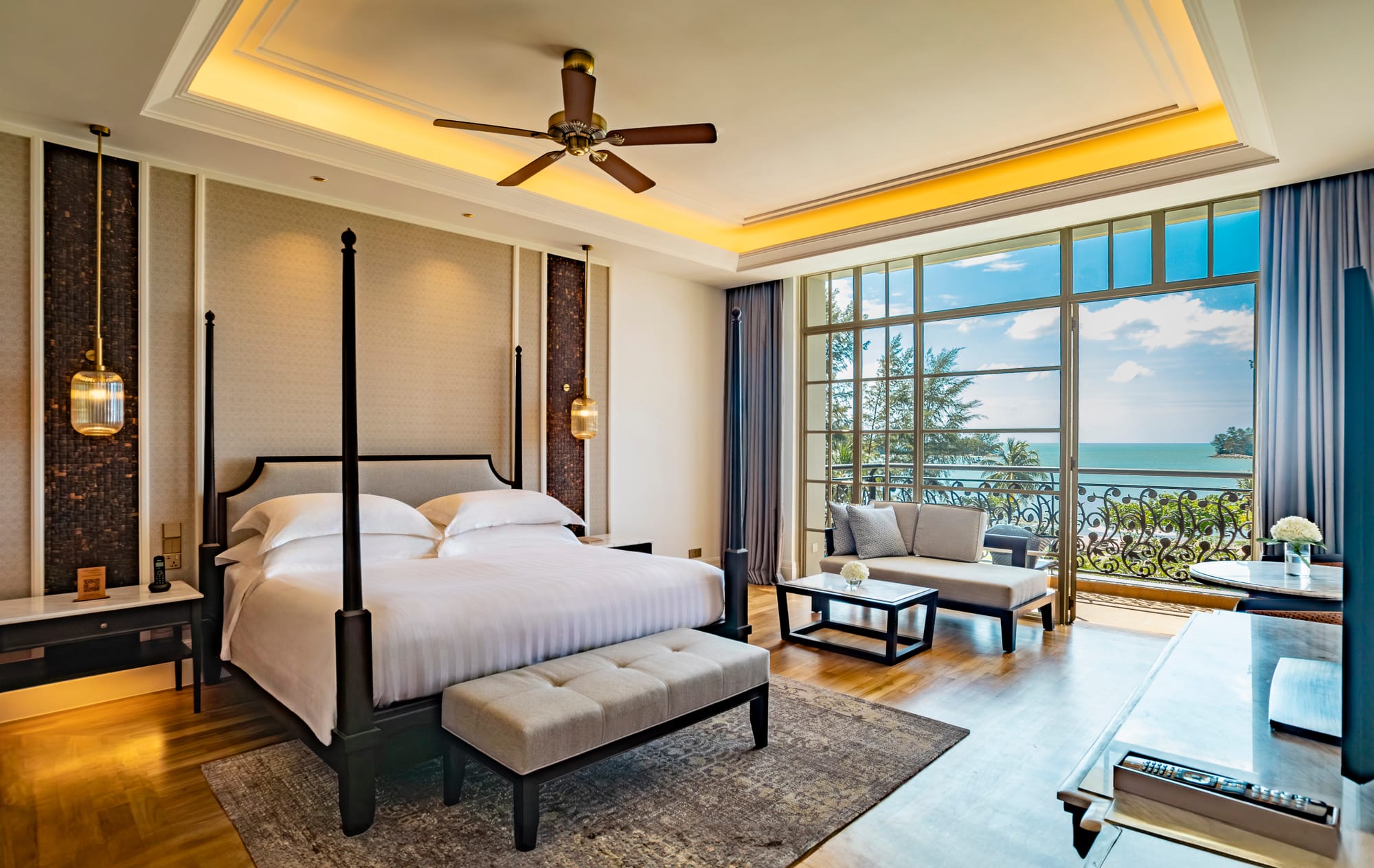
The Danna Langkawi experience offers hotel and resort operators ten effective lessons in making family holidays more appealing and memorable.
- Welcome the child, not just the adults. Give young guests their own arrival experience, from being greeted by name to receiving a small surprise. Recognition begins at check-in, not at the kids’ club.
- Give children their own experiences. Turn ordinary facilities into moments of discovery. Turn a fishpond into a wildlife encounter; turn a sleeping tent into an adventure.
- Bring parents and children into the same experience. Move beyond separate programmes for adults and children. Shared spa treatments, water activities, and cultural discoveries create opportunities for cross-generational interaction.
- Use the destination as your greatest asset. Look for experiences that cannot be easily replicated elsewhere. Local wildlife, food, stories and landscapes can become attractions without substantial new infrastructure.
- Offer choices at mealtimes. Make local cuisine accessible through sharing portions and opportunities to sample unfamiliar dishes, while keeping familiar alternatives available. Culinary discovery need not become a contest with picky eaters.
- Train employees to notice the little things. A child’s favourite character or a parent’s preferred drink can provide clues for personalisation. The skill lies in noticing what matters to individual guests and responding appropriately.
- Empower frontline teams. Turn employee observations into action. Give associates the discretion to make small gestures independently, and a practical channel to propose improvements that require management support.
- Listen and adapt. Treat new activities as experiments. Track participation, costs and guest responses among different family groups and holiday periods. Keep what works, improve what shows promise, and abandon what doesn’t.
- Use technology to support — not replace — hospitality. Use digital tools to recall preferences, simplify reservations and reduce routine tasks. Redirect the time saved toward interactions that technology cannot readily reproduce.
- Take care of your people first. Make employee engagement an operational priority, not simply a human resources concern. Associates who feel trusted, supported, and heard are better positioned to take initiative and deliver attentive service.
Creating Memories, Not Just Stays
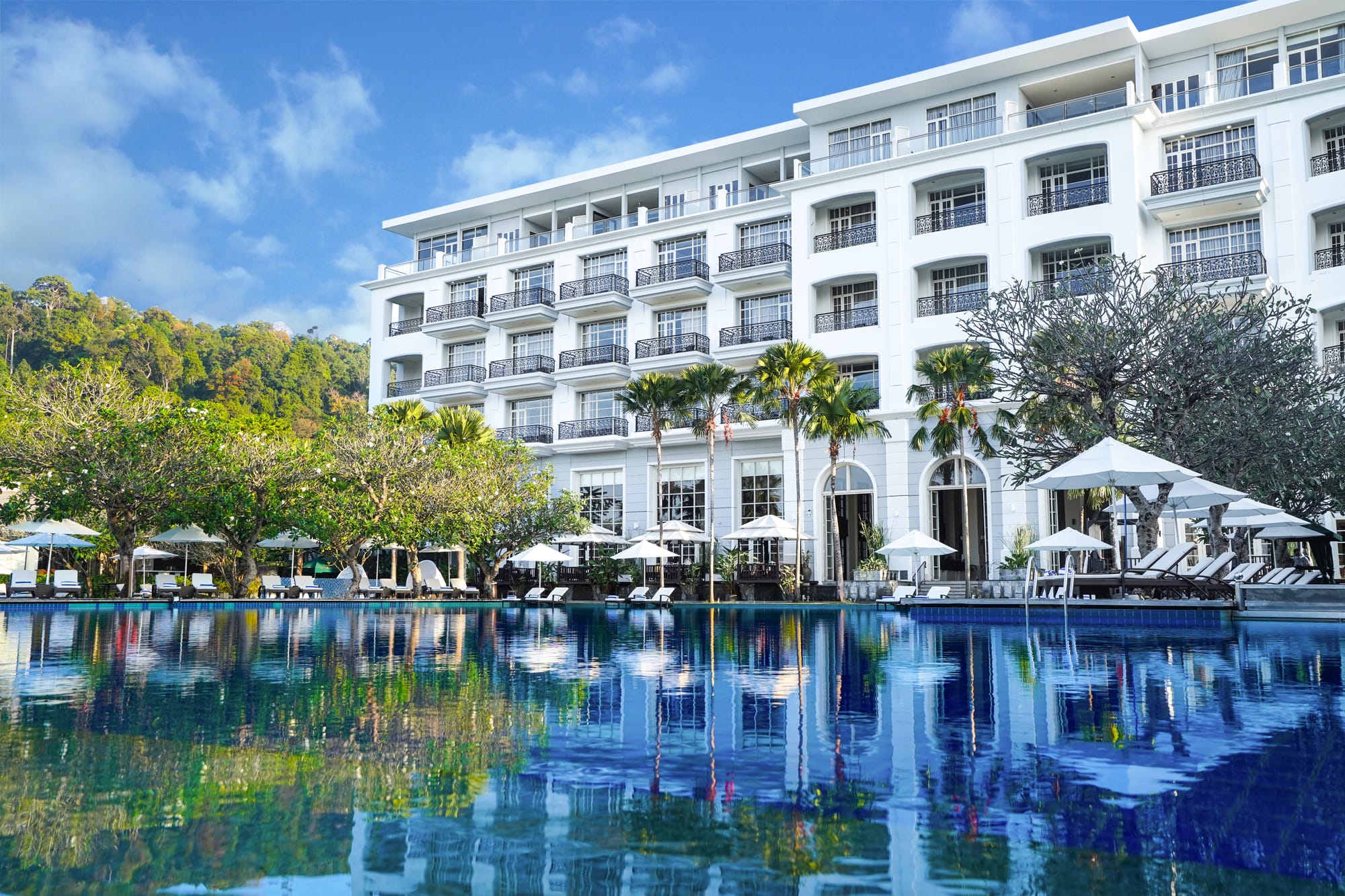
For The Danna Langkawi, attracting families is less about adding facilities than creating connections — with the destination, among family members and with the people who make their stay enjoyable.
Its colonial-inspired architecture and setting between forested hills and the Andaman Sea may create the first impression. But the friendly welcome, attention to children, discovery of local culture, and employees’ kind gestures make the experience memorable.
Families may choose a hotel for its location and facilities, but their decision to return may depend on the experiences they shared as well as the people who made them feel welcome.
For Rademaker, the responsibility begins with management. This means listening to associates, valuing their knowledge of guests and the destination, and giving them the confidence and discretion to act on their observations. Through such initiative, rather than prescribed service routines alone, really personal experiences emerge.
For resorts seeking to attract family travellers, the most enduring lesson may be this: families may choose a hotel for its location and facilities, but their decision to return may depend on the experiences they shared as well as the people who made them feel welcome.

REMCO RADEMAKER: GENERAL MANAGER, THE DANNA LANGKAWI MALAYSIA.
Remco Rademaker is the General Manager of The Danna Langkawi, bringing extensive international hospitality experience across luxury properties in Mexico, Malaysia, China and Laos. Before joining The Danna, he held various senior leadership positions with Banyan Tree Hotels & Resorts. His career spans hotel operations, guest experience and rooms division management across diverse luxury hospitality markets.
Get our New Family Hospitality Book
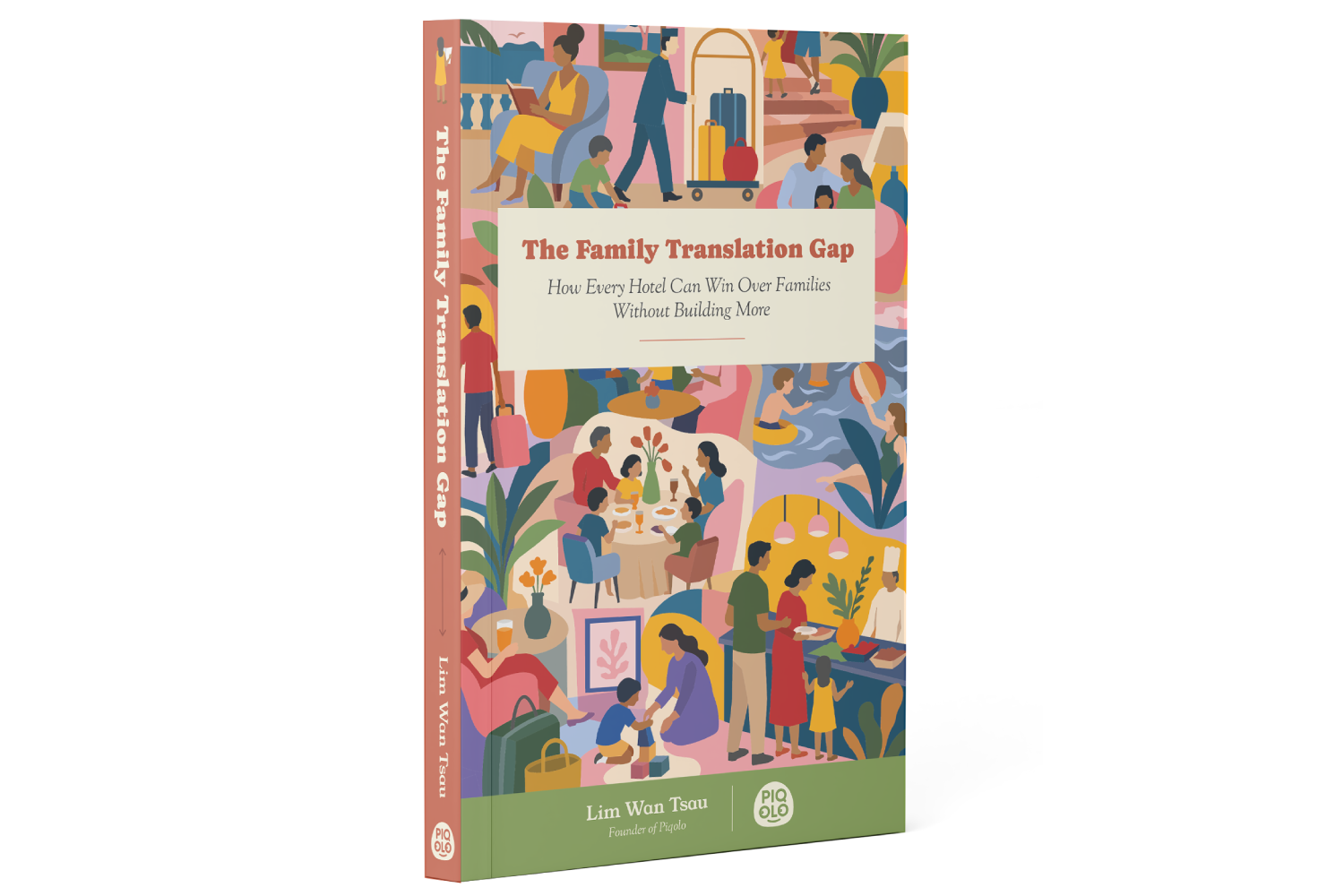
The Family Translation Gap is for hospitality professionals looking to create genuine differentiation in family hospitality without relying on high-capex renovations.
Get Started on Your Own Bespoke Family-Friendly Experience
 Wan Tsau

 Wan Tsau
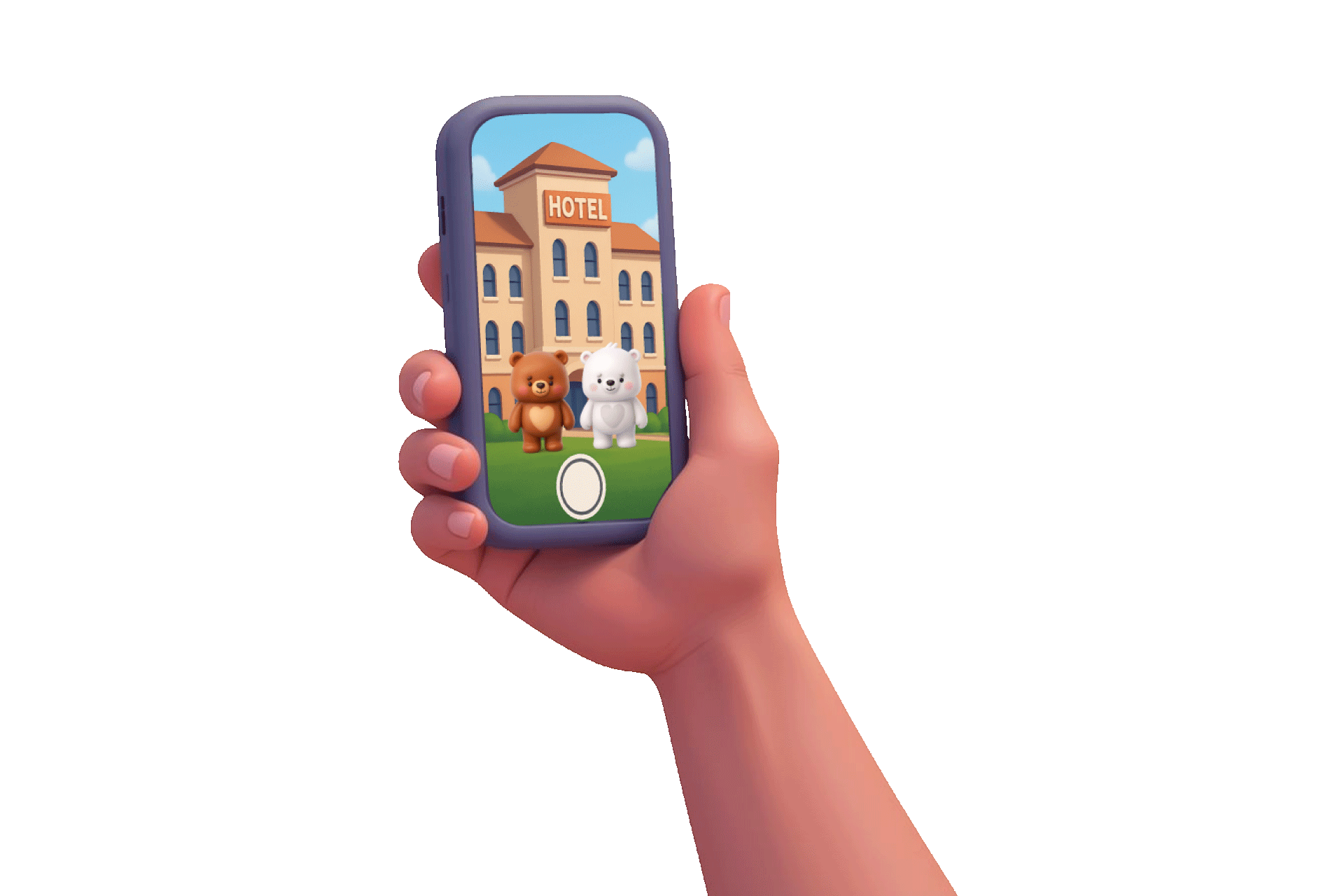
If you need a hand shaping and telling your property’s story, Piqolo Press is here to help. Our bespoke kids activity books and AR experiences can bring each property's unique story to life, creating meaningful touch points that enhance guest engagement and leave a lasting impression long after their stay.
Let’s craft something extraordinary together—because every exceptional property deserves a great story.
Let's Chat!
Fill up the contact form below OR drop us an email here.
What We Do for Hotels and Hospitality Brands
- Family Experience Strategy & Translation Consulting
- Bespoke Kids’ Activity Books for Hotels and Tourist Attractions
- Child-friendly Storytelling for Hospitality Brands
- Family-friendly Mascot Design for Hotels
- Digital Amenities for Hotels and Event Venues
- Specialist Newsletters Focused on Family Hospitality
