


Frequently Asked Questions (FAQs)
What is the family translation gap?
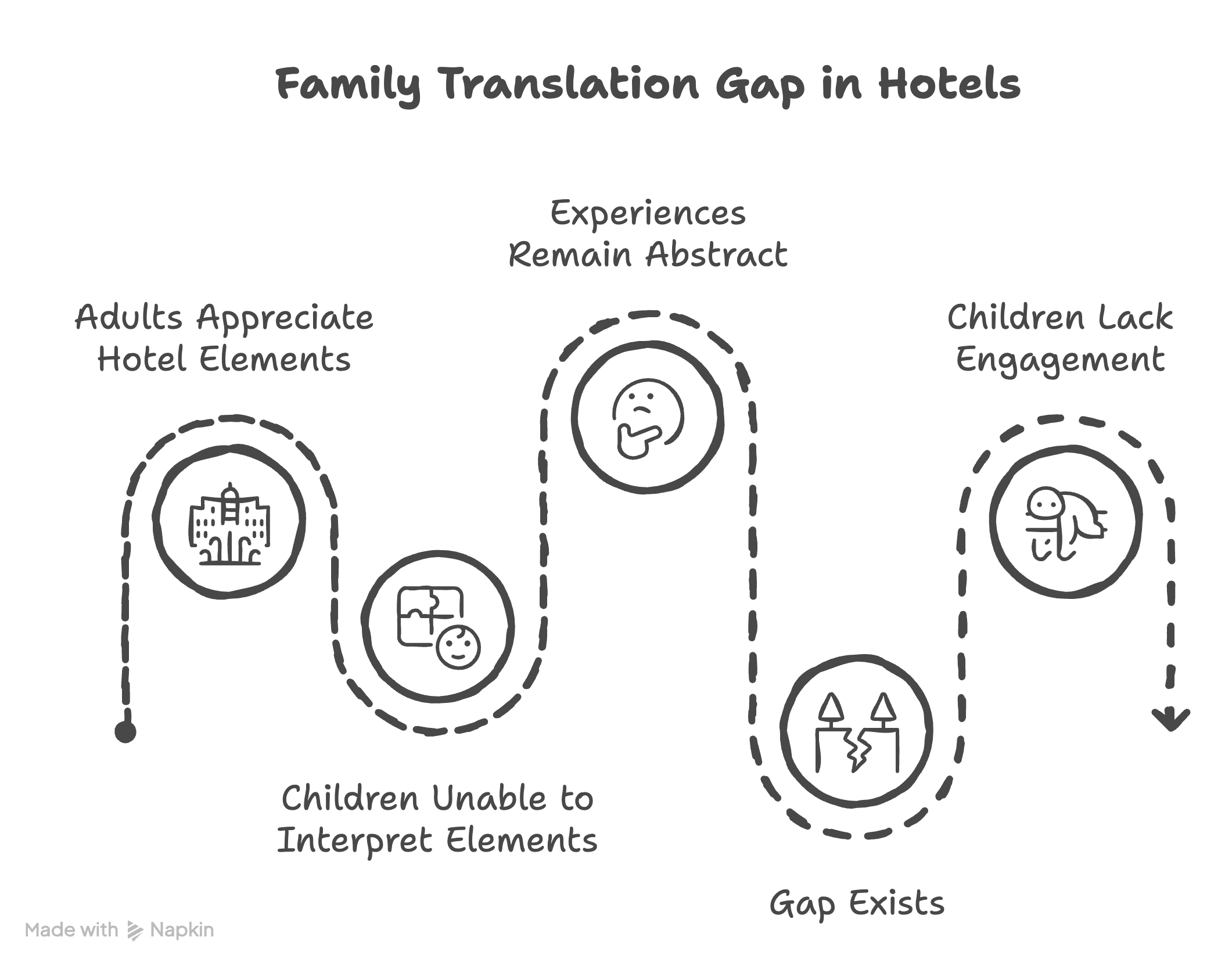
The family translation gap refers to the disconnect between how adults experience a hotel and how children experience it.
Adults may appreciate architecture, heritage, culinary craftsmanship, sustainability initiatives or luxury design. Children, however, often do not naturally interpret these elements in the same way.
Without translation, many hotel experiences remain invisible or abstract to younger guests.
The family translation gap exists when a property has strong stories, design or experiences — but children are not given meaningful ways to discover, understand or participate in them.
Why does the family translation gap matter?
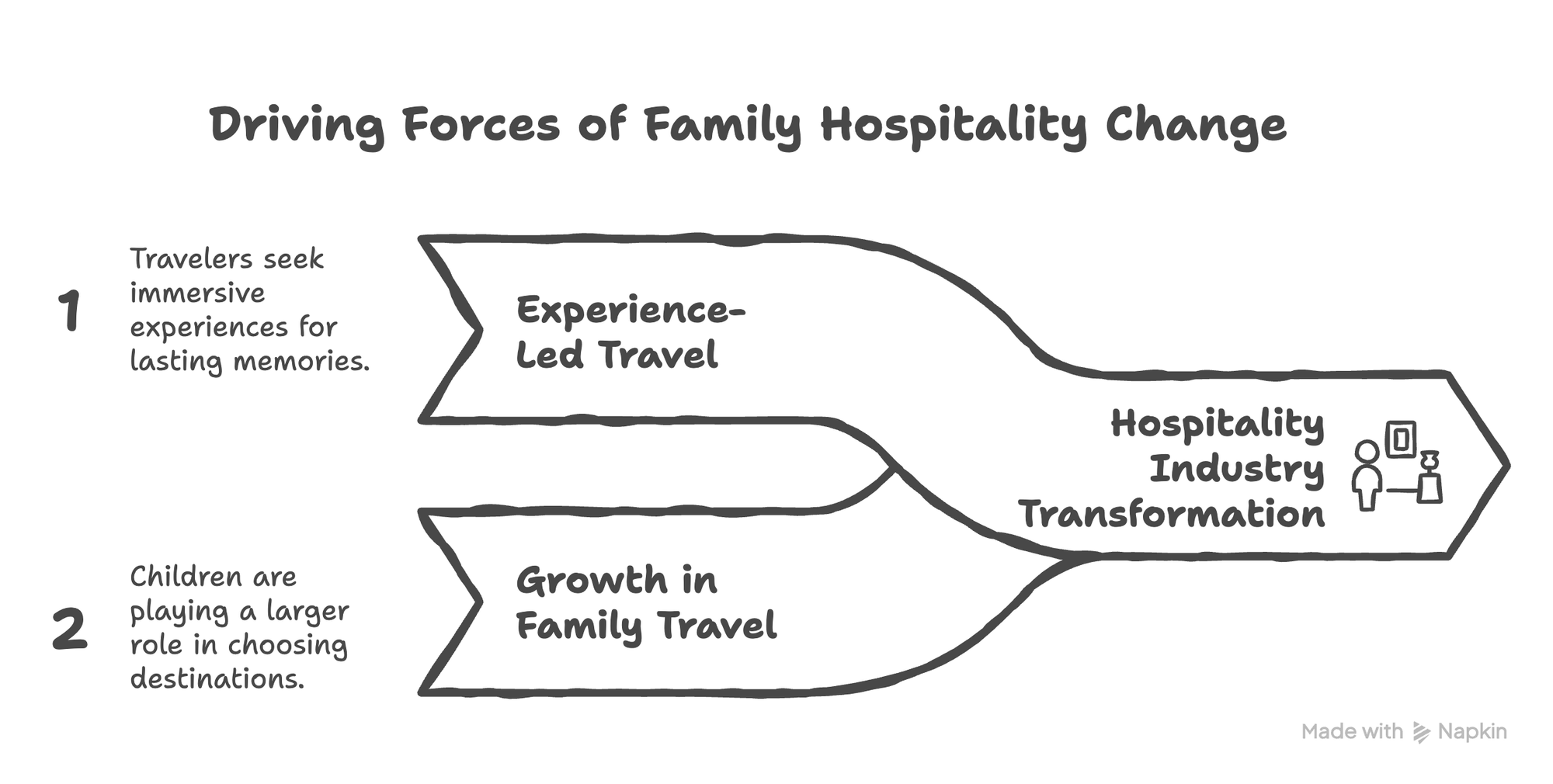
The hospitality industry is changing.
- Guests today are increasingly looking for memorable and engaging experiences, not just amenities or beautiful spaces.
- More parents are prioritising meaningful shared experiences with their children during travel.
But when there is a family translation gap, many of a hotel’s most meaningful experiences can become difficult for younger guests to understand or connect with. What adults see as immersive or thoughtful may feel passive or inaccessible from a child’s perspective.
When there is a family translation gap, many of a hotel’s most meaningful experiences can become difficult for younger guests to understand or connect with.
As a result, even hotels with strong storytelling, beautiful design or distinctive identities may struggle to create truly memorable family experiences if children are not given ways to actively discover or participate in the experience.
Why don’t children naturally connect with hotel experiences?
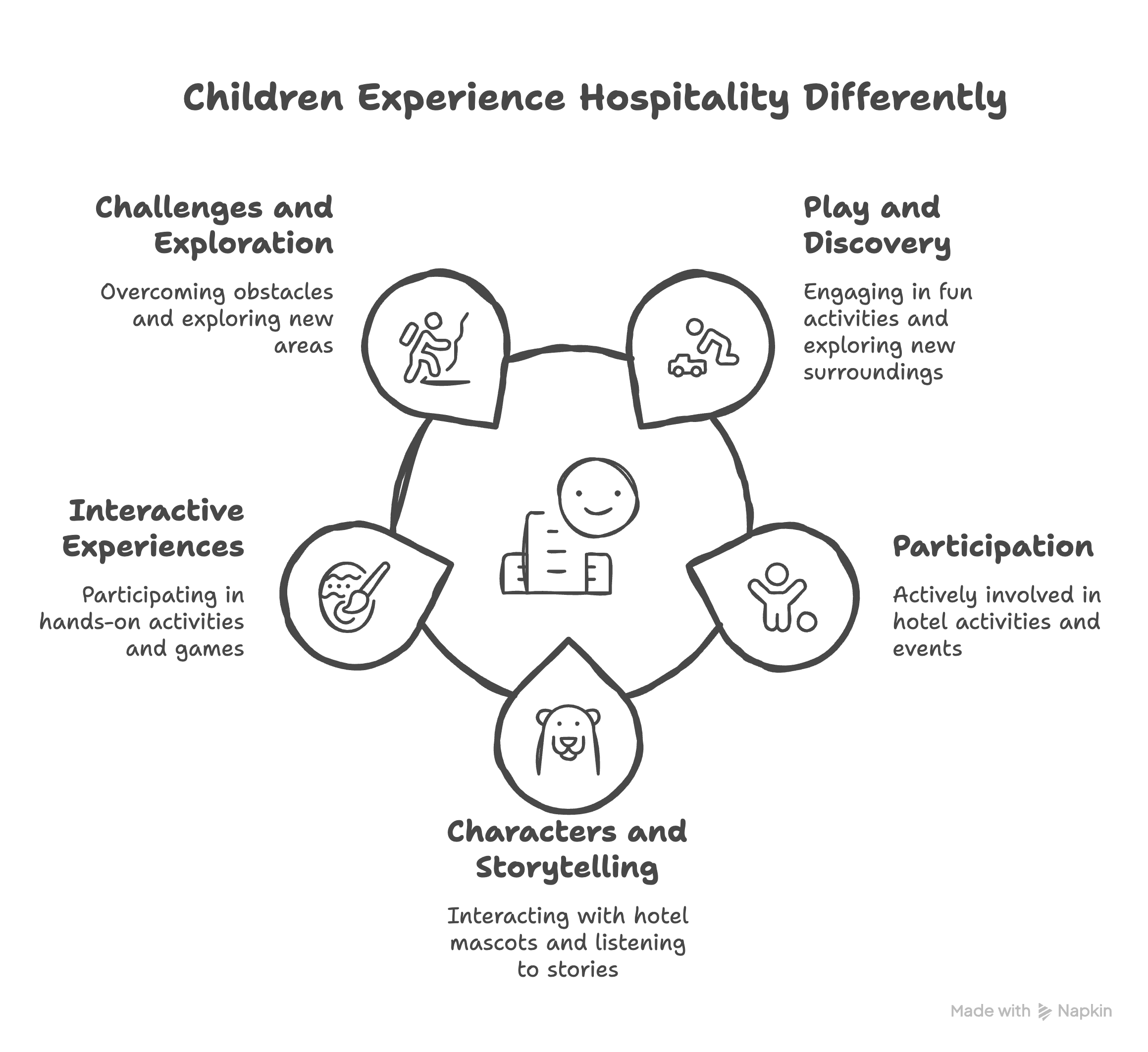
Children experience hotels differently from adults. Children connect more deeply through:
- Play and discovery
- Participation
- Characters and storytelling
- Interactive experiences
- Challenges and exploration
A parent may admire the architecture of a heritage property, while a child may simply see “a big building.” An adult may appreciate a chef’s culinary philosophy, while a child may connect more with a tasting challenge, playful activity or food story.
Without translation, many hotel experiences are naturally designed around adult understanding and interpretation.
What are examples of the family translation gap in hotels?
Common examples include:
- Beautiful heritage hotels with no child-friendly storytelling about the building’s history
- Hotels filled with meaningful curated artwork that children simply walk past without understanding their story or significance
- Incredible dining concepts that children experience only as long passive meals
- Sustainability initiatives that are not translated into hands-on family experiences
- Large resorts where children move between generic facilities without understanding the property’s identity or story
In many cases, the hotel already has meaningful experiences — they simply have not been translated for younger guests.
Does closing the family translation gap require renovation?
No.
One of the biggest misconceptions in family hospitality is that improving family engagement always requires major physical investment.
In reality, many hotels already possess rich stories, architecture, culinary concepts, landscapes and cultural connections. The opportunity often lies in translation rather than renovation.
Small, thoughtful storytelling touch points can dramatically reshape how children experience a property.
Is the family translation gap only relevant for luxury hotels?
No.
The family translation gap affects hospitality brands across all segments — from luxury resorts and heritage hotels to urban hotels, lifestyle properties and family-focused resorts.
Translation is not about adding expensive infrastructure. It is about helping children engage with the existing experience in a more participatory and discoverable way.
A simple scavenger hunt, illustrated map, mascot character or story-led activity can often create a stronger emotional connection than a larger physical amenity.
How can hospitality brands close the family translation gap?
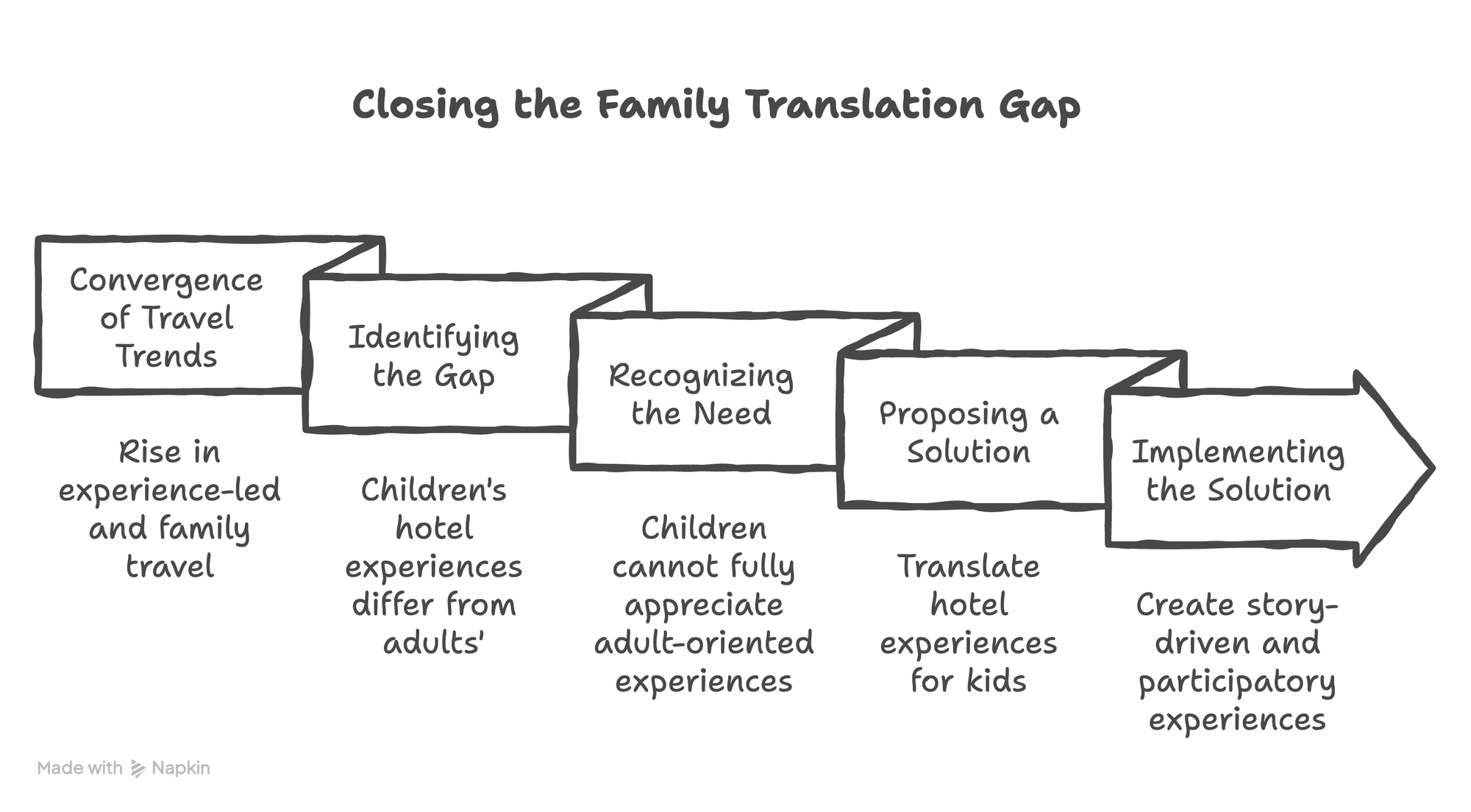
Many hotels can begin closing the gap through lightweight, story-led experiences that encourage participation and discovery.
Examples include:
- Bespoke property-specific kids’ activity books
- Scavenger hunts tied to real hotel spaces
- Mascot-led storytelling
- Cultural discovery challenges
- Collectible journey maps
- Web-based AR experiences
- Sustainability exploration games
- Neighbourhood adventure trails
These experiences help transform hotels from spaces children simply stay in into environments they actively explore.
What does the future of family hospitality look like?
The future of family hospitality is increasingly experience-led, participatory and story-driven.
Rather than separating children into isolated “kids-only” spaces, more hospitality brands are integrating family engagement across the entire guest journey — from check-in and dining to exploration and departure.
The most memorable family hotels of the future may not simply be the ones with the largest facilities, but the ones that make children feel like the experience was designed for them too.
Get Started on Your Own Bespoke Family-Friendly Experience
 Wan Tsau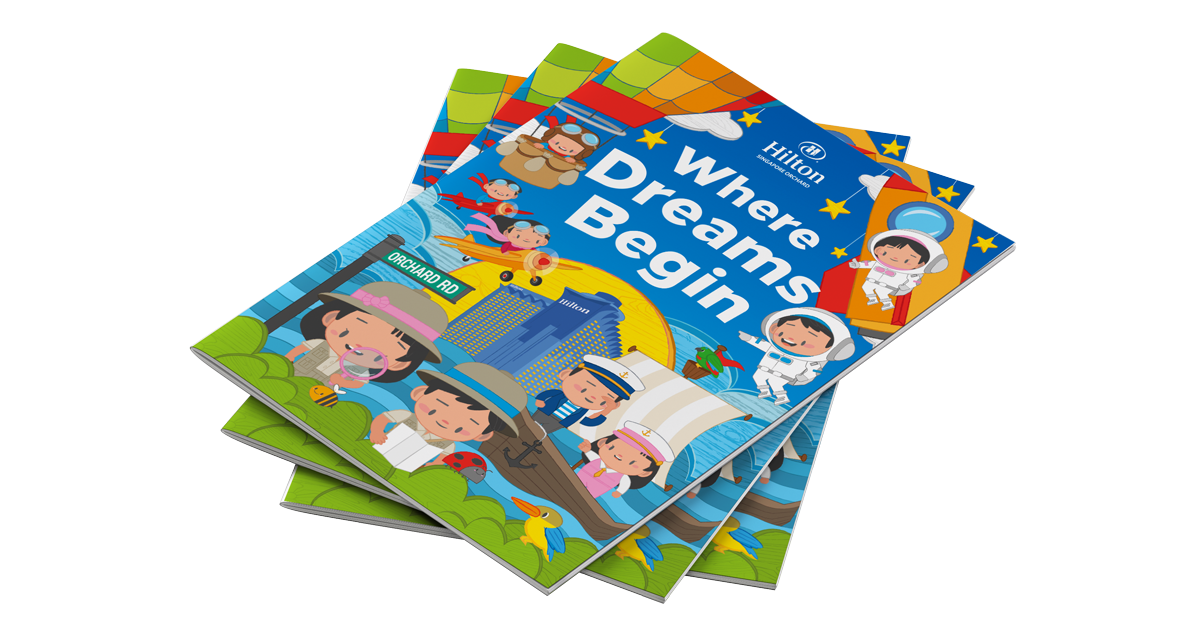
 Wan Tsau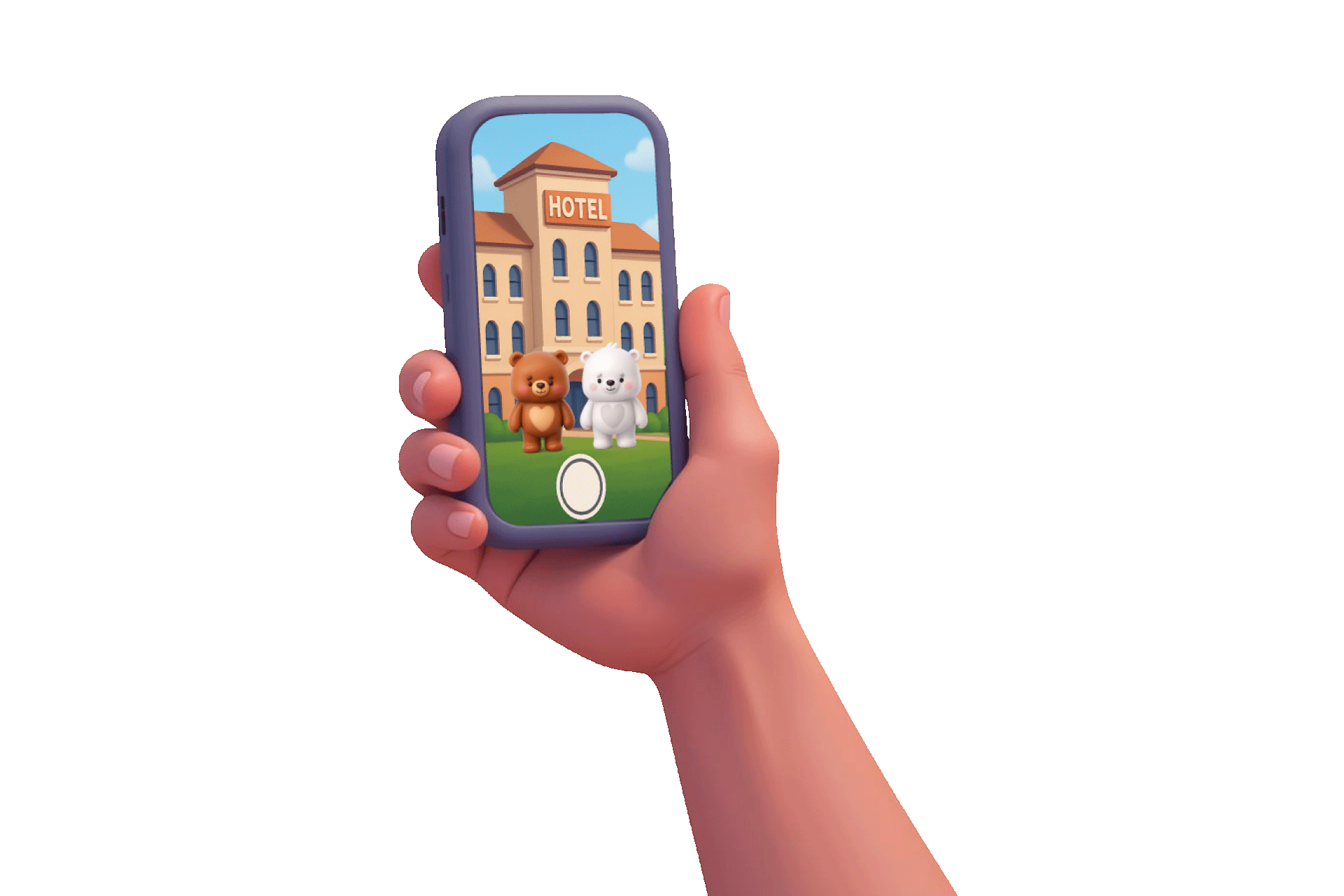
If you need a hand shaping and telling your property’s story, Piqolo Press is here to help. Our bespoke kids activity books and AR experiences can bring each property's unique story to life, creating meaningful touch points that enhance guest engagement and leave a lasting impression long after their stay.
Let’s craft something extraordinary together—because every exceptional property deserves a great story.
Let's Chat!
Fill up the contact form below OR drop us an email here.
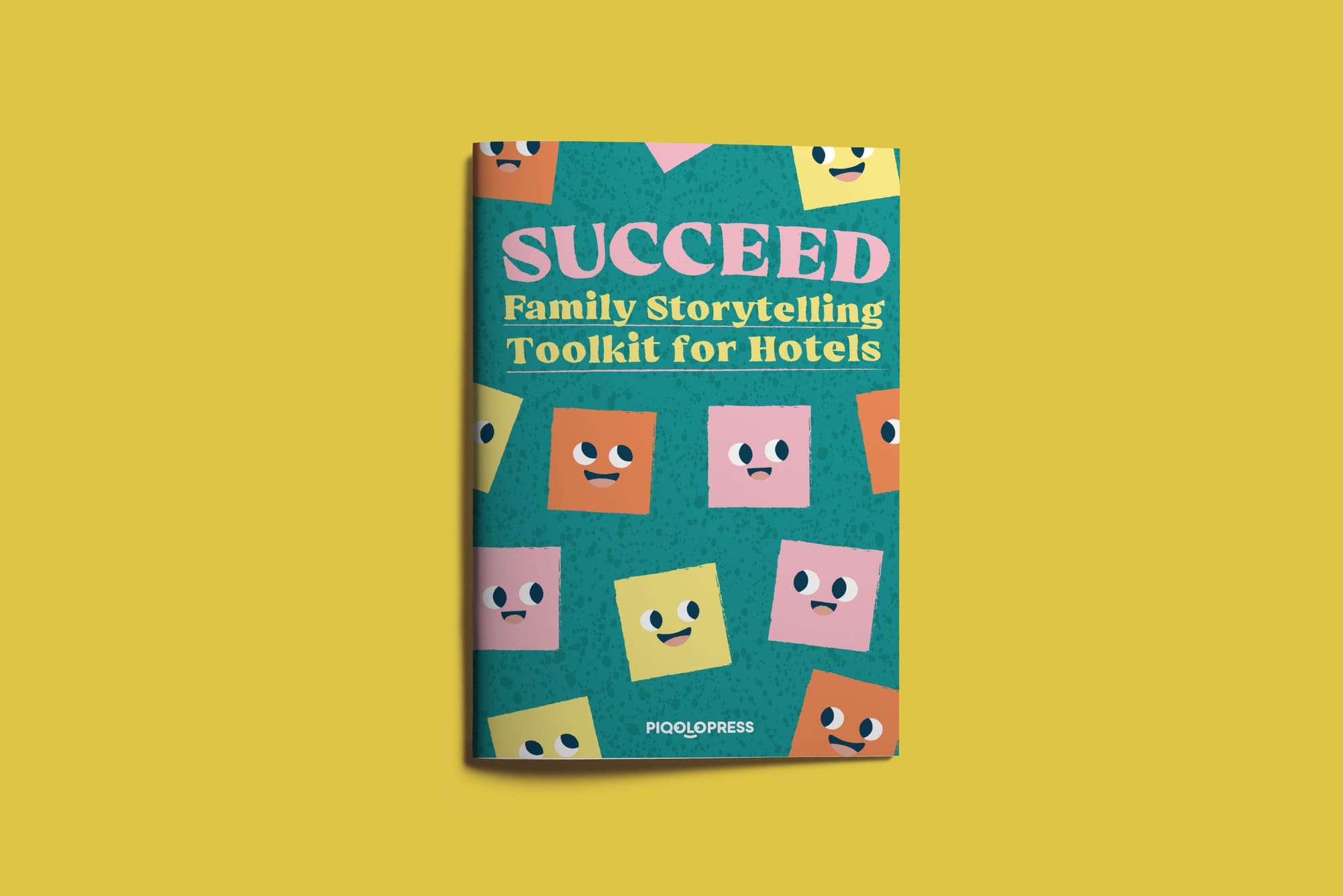
SUCCEED: Family Storytelling Toolkit for Hotels (PDF ONLY)
A 21-page PDF that helps you turn your hotel spaces, dining and guest journey into story-led family experiences—without renovation.
Subscribe to access this free toolkit and more weekly ideas.


