


Today’s hotel guests expect experiences that feel timely, relevant and personal.
A family visiting during school holidays has very different needs from a business traveller attending a conference. A couple celebrating an anniversary experiences a restaurant differently from a local visiting for brunch. Even the same guest may expect something different depending on the season, occasion or purpose of travel.
This is why flexibility is becoming one of the most important qualities in modern hospitality.
Unlike physical amenities, digital amenities can adapt quickly without requiring renovation, reprinting or major operational changes. A branded AR postcard can instantly transform for Christmas, the start of spring or a citywide festival. An AR guestbook can be configured to reflect the language, theme and narrative of each event hosted at the property.
Leading hotels are increasingly investing in adaptive approaches that respond to shifting guest behaviours. Digital amenities enable this— allowing hotels to personalise experiences, support multiple guest segments and activate different parts of the property with far greater speed and creativity.
5 Ways Digital Amenities Help Hotels Adapt to Guest Needs
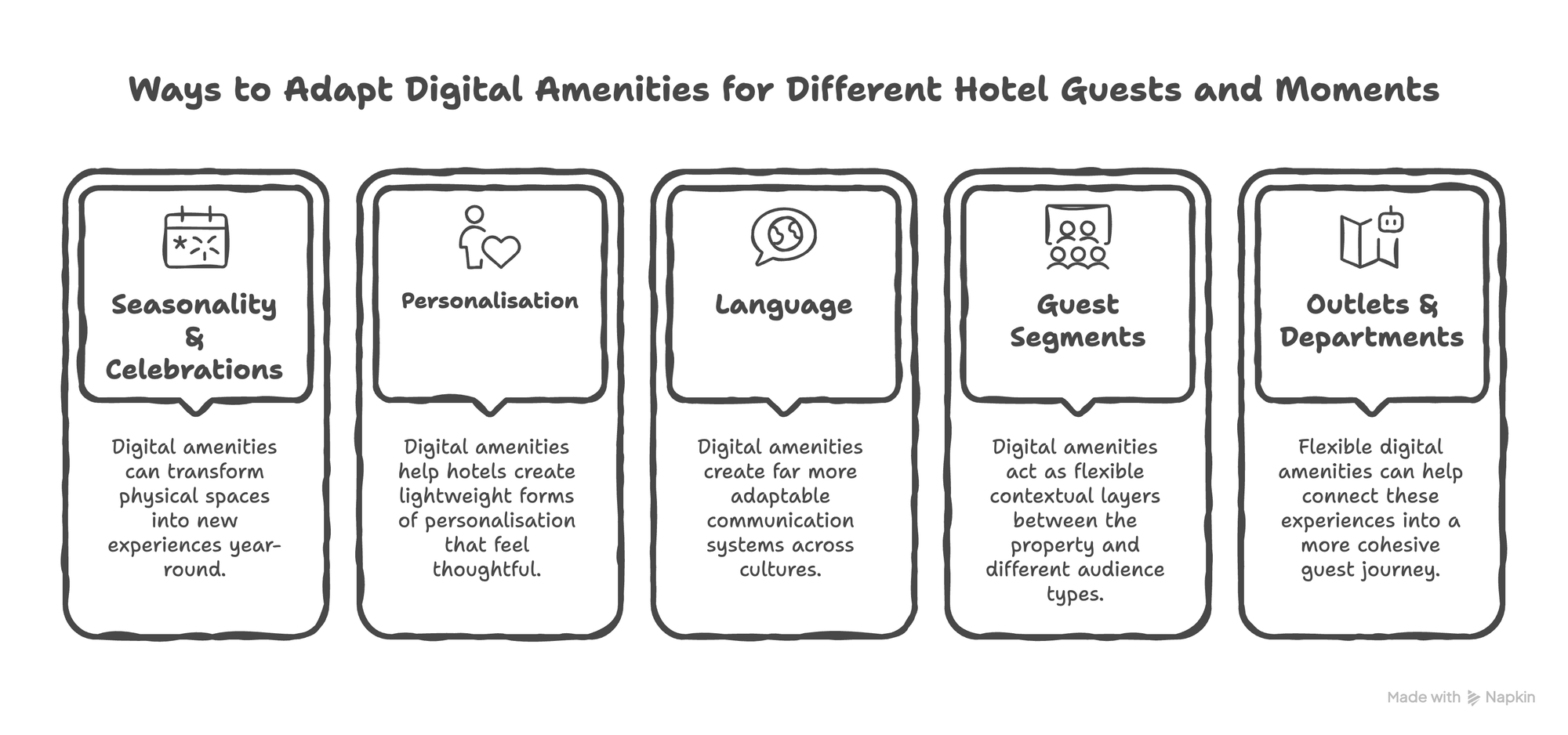
Unlike traditional physical materials, digital experiences can be reconfigured quickly — allowing hotels to stay relevant, seasonal and guest-focused without major redesigns or reprinting costs. Here’s a list of ways digital amenities can help hotels respond more flexibly to different guest needs, occasions and operational goals.
- Seasonality & Celebrations
- Personalisation
- Language Flexibility
- Different Guest Segments
- Outlets & Departments
1. Seasonality & Celebrations: Turning the Same Spaces Into New Experiences Year-Round

Hotels constantly change throughout the year. Festive seasons, school holidays, cultural celebrations, weddings and citywide events all reshape guest expectations. Yet physical spaces often remain largely unchanged.
Digital amenities allow hotels to refresh the guest experience without large operational effort. A branded AR postcard could transform into a festive holiday greeting during December, a romantic keepsake during Valentine’s Day or a playful summer-themed experience during school holidays. Photobook lenses could add celebratory overlays, themed animations or event-specific storytelling tied to the property.
This flexibility helps hotels create a sense of freshness and relevance throughout the year while encouraging repeat visits and social sharing.
2. Personalisation: Helping Guests Feel Seen and Included
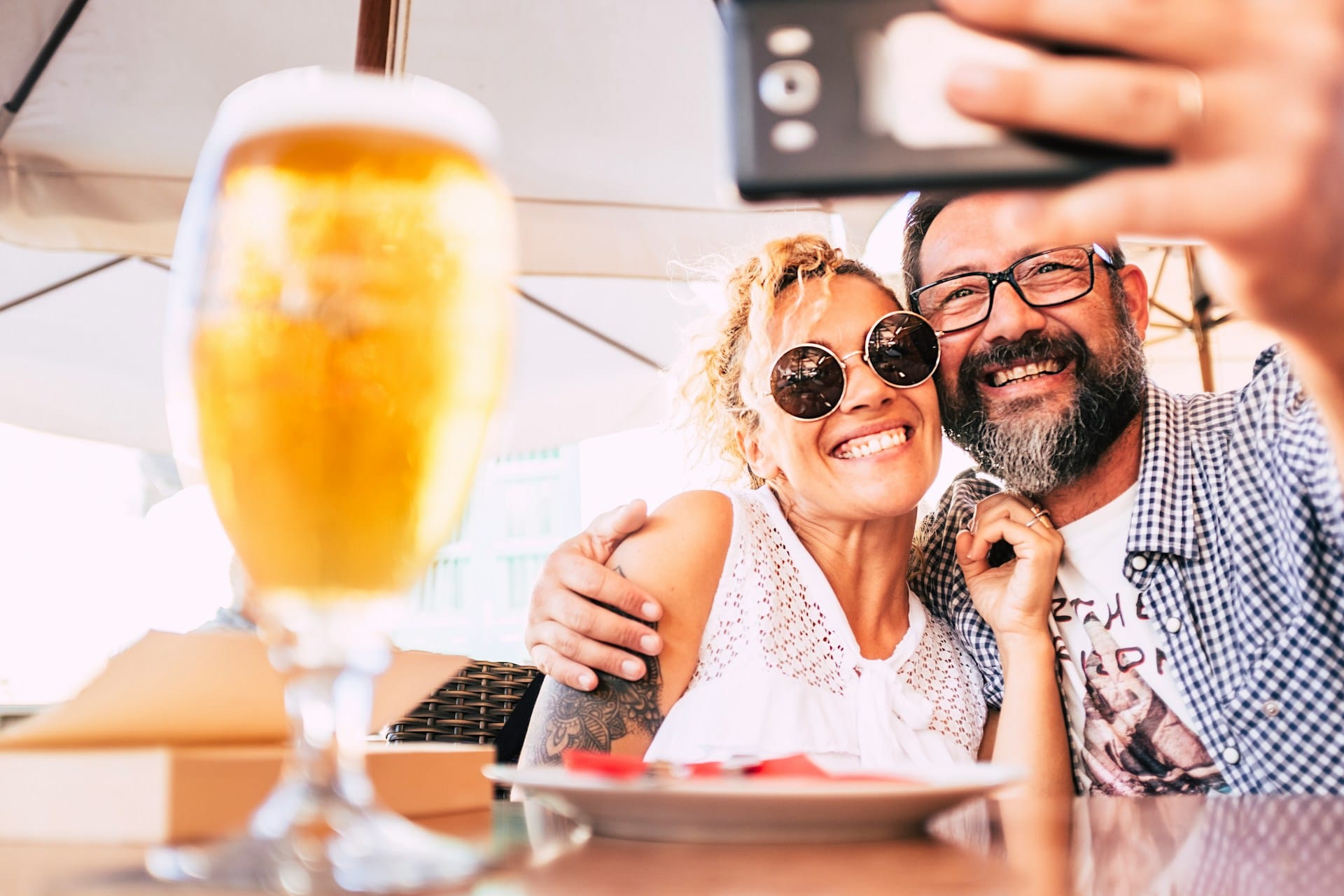
Modern guests increasingly expect experiences that feel personal rather than generic. Digital amenities make it easier for hotels to create lightweight forms of personalisation that still feel thoughtful and memorable.
An AR guestbook could allow guests to leave personalised messages, drawings or digital memories tied to their stay. Branded postcard experiences could include the guest’s name, anniversary date or travel milestone. Digital trail maps could adapt recommendations based on whether the guest prefers food, photography, family attractions or wellness experiences.
Digital amenities that can be personalised help hotels create experiences that feel more thoughtful and not generic.
3. Language: Making Experiences More Accessible Across Cultures
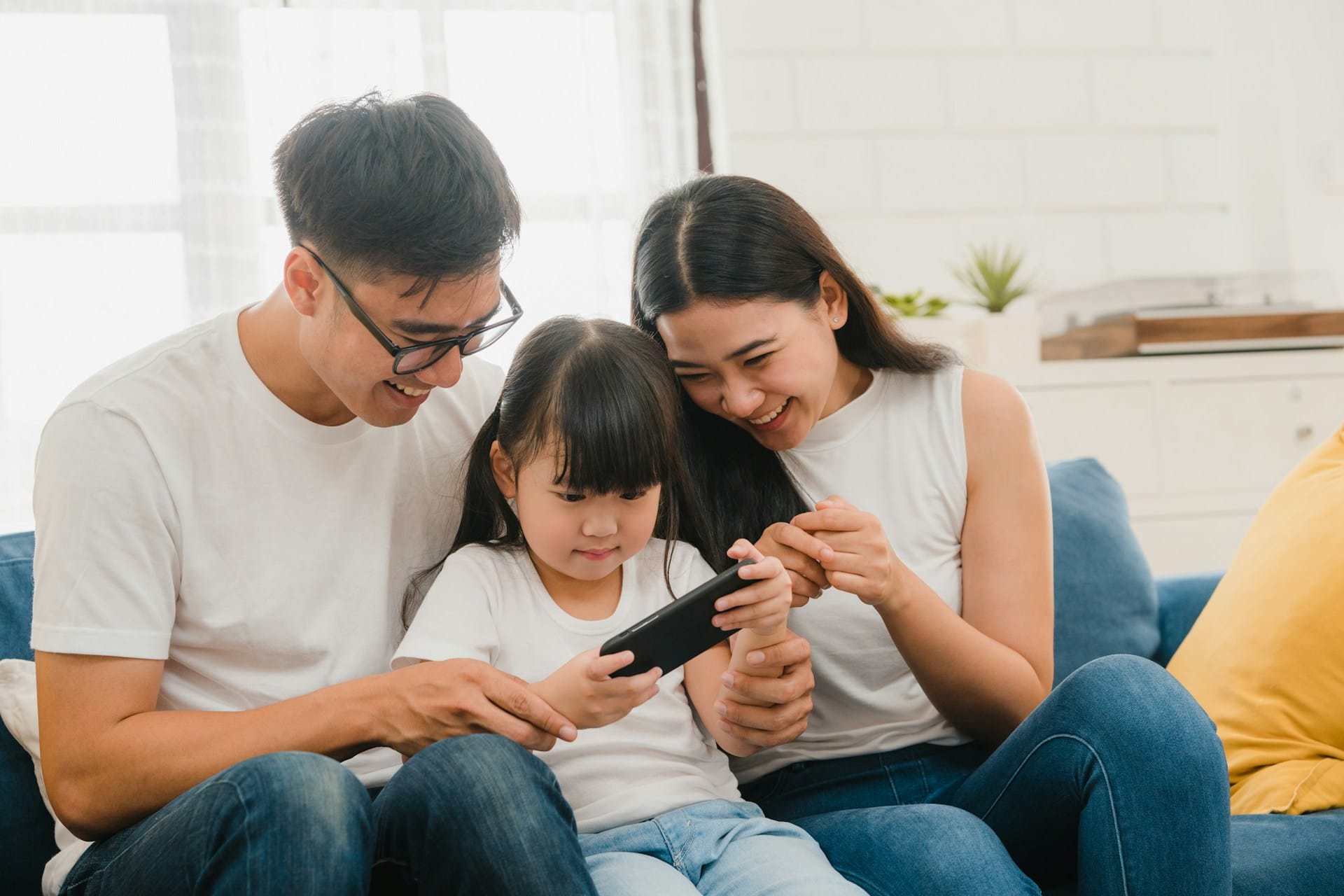
International travel continues to grow, and hotels increasingly welcome guests from many different cultural backgrounds. Traditional printed materials can become limiting when every update requires reprinting in multiple languages.
Digital amenities create far more adaptable communication systems. An interactive trail map could instantly switch between English, Mandarin, Japanese or Korean. AR experiences could provide multilingual instructions, local cultural context or translated storytelling overlays depending on the guest’s preference.
This helps remove small but important points of friction and allows hotels to become more welcoming without dramatically increasing operational complexity.
4. Guest Segments: Different Guests Want Different Versions of the Property
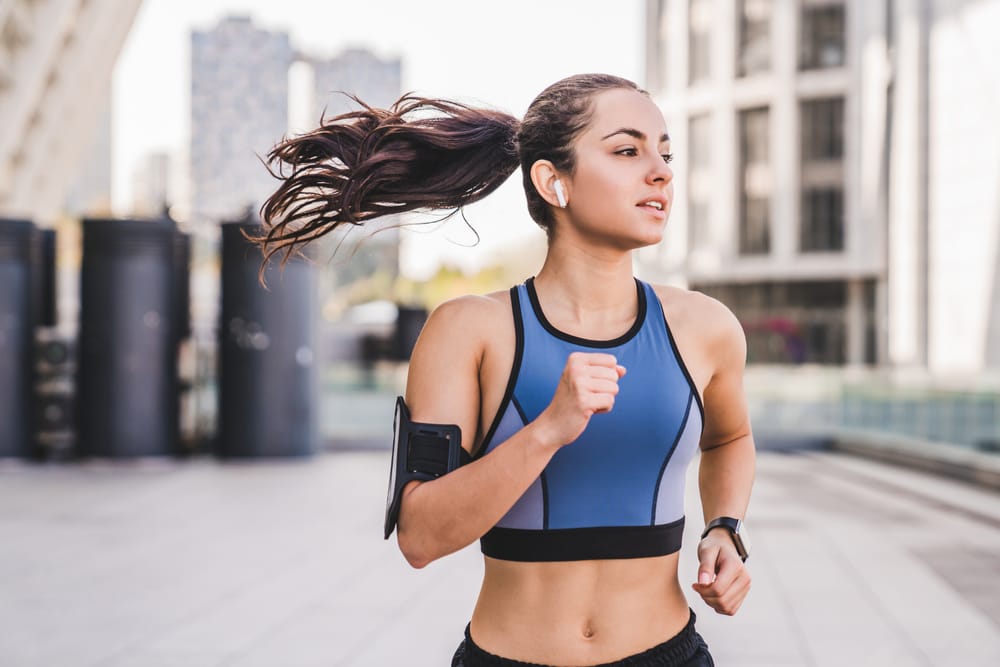
A luxury couple, a family with young children, a solo traveller and a conference attendee often experience the same hotel very differently. The challenge for hotels is not simply offering more amenities — it is helping different guests discover the experiences most relevant to them.
Digital amenities can act as flexible “translation layers” between the property and different audience types. A family-focused digital trail map might highlight scavenger hunts, pools and kid-friendly dining. A wellness version could emphasise quiet spaces, spa experiences and jogging routes. A business traveller version might focus on efficient dining, nearby meeting spots and productivity-friendly lounges.
Instead of redesigning the property itself, hotels can redesign how different guests experience it.
5. Outlets & Departments: Creating Stronger Connections Across the Property
Many hotel outlets operate like separate worlds. Restaurants, bars, spas and activity spaces often struggle to cross-promote one another in ways that feel natural and engaging.
Flexible digital amenities can help connect these experiences into a larger guest journey. An AR photobook lens used at the rooftop bar could unlock recommendations for the hotel’s signature dessert at another outlet. A digital trail map might encourage guests to explore hidden corners of the property while collecting digital stamps from different hotel facilities.
This creates stronger internal discovery while helping guests feel that the hotel operates as one cohesive experience rather than disconnected facilities.
Why Flexibility Matters More Than Ever
Guest behaviour changes faster than physical infrastructure.
The future of hospitality is not just about creating beautiful spaces — it is about creating experiences that stay relevant across different guests, moments and occasions. Digital amenities give hotels the flexibility to adapt to seasons, celebrations, guest preferences, languages and changing travel behaviours without constantly redesigning the physical environment.
Whether through branded AR postcards, digital trail maps, photobook lenses or interactive guestbooks, these tools allow hotels to create experiences that feel more personal, timely and alive. In an industry built around people, the ability to respond to different guest needs may become one of hospitality’s most valuable strengths.
Relevant Reads
 Wan Tsau
 Wan Tsau
Get Started on Your Own Bespoke Family-Friendly Experience
If you need a hand shaping and telling your property’s story, Piqolo Press is here to help. Our AR experiences can bring each property's unique story to life, creating meaningful touch points that enhance guest engagement and leave a lasting impression long after their stay.
Let’s craft something extraordinary together—because every exceptional property deserves a great story. Get our latest pricing information via the link below OR fill up the form below:
 Piqolo World
What We Do for Hotels and Hospitality Brands
- Bespoke Kids’ Activity Books for Hotels and Tourist Attractions
- Storytelling for Hospitality Brands
- Family-friendly Mascot Design for Hotels
- Web-Based AR Experiences for Hotels and Event Venues


