


What is story-led family hospitality?
Story-led family hospitality is the practice of translating a hotel’s existing experiences into narratives that children can understand, engage with and remember.
Instead of adding new facilities, it reframes what already exists—turning spaces, dining and guest journeys into story-driven experiences where children feel included, not just accommodated.
Why do hotels need story-led family hospitality?
Because most hotel experiences are designed for adults.
Children don’t connect with design language, brand positioning or culinary concepts. They connect with story, play and participation. Without translation, the experience exists—but isn’t fully accessible to them.
Story-led hospitality bridges this gap, making the stay meaningful for the entire family.
Is this about adding more kids’ facilities?
No. That’s the common misconception.
Story-led family hospitality is not about adding more—it’s about doing more with what you already have. Instead of building new spaces, you layer meaning onto existing ones.
For example:
- A kids’ activity book can turn your lobby into a scavenger hunt
- A mascot character can guide children through the property's heritage and history
- A simple augmented reality (AR) experience (via QR code) can bring a painting to life
The experience isn’t added—it’s translated.
How is this different from traditional family-friendly hotels?
Traditional approaches focus on facilities—kids’ clubs, play areas and entertainment programs.
Story-led hospitality focuses on experience design through narrative. It integrates children into the core experience of the hotel, rather than separating them into designated zones.
For example:
- Instead of a generic kids’ menu, a food discovery activity page in a kids’ book encourages children to explore dishes across your restaurants
- Instead of standalone entertainment, a mascot-led storyline connects the lobby, the pool, dining and even the neighbourhood into one continuous experience
- Instead of passive observation, AR interactions invite children to engage with the space itself
Children don’t just stay at the hotel—they become part of it.
How does storytelling make a hotel’s brand more accessible to children?
Hotels are built on rich ideas—heritage, culture, design and cuisine—but these are often abstract to children.
Story translates them into something tangible.
For example:
- A heritage property can introduce a mascot based on a historical figure who “guides” children through time
- A nature-focused resort can use a kids’ activity book to turn gardens into ecosystems to explore
- A culinary concept can be translated into a “taste challenge” page or an AR experience showing ingredients in motion
Story makes the invisible visible—and the abstract engaging.
What does a story-led guest journey actually look like?
It turns the stay into a connected narrative rather than isolated moments.
For example:
- Arrival: A child receives a kids’ activity book and “meets” the hotel mascot (physically or digitally)
- Stay: Activities guide them through the property—finding clues in the lobby, completing dining challenges, scanning AR moments
- Departure: They receive a small takeaway (certificate, completed book or digital AR memory) that closes the story
Each moment builds on the last—creating continuity across the stay.
Why is participation so important for children?
Because children engage through interaction, not observation.
Story-led hospitality gives them something to do.
For example:
- A scavenger hunt inside a kids’ activity book encourages exploration
- A mascot-led quest gives purpose to moving around the property
- An AR experience lets them trigger animations, play mini-games or “collect” moments
This transforms them from passive guests into active participants.
What kind of results can hotels expect from this approach?
Stronger engagement, deeper recall and truly meaningful differentiation—because the experience is bespoke to your property.
When story-led hospitality is designed around your hotel’s own spaces, history, location and identity, it can’t be replicated. It becomes something guests associate specifically with your property, not just a generic family offering.
When families experience a hotel through story:
- Children stay engaged throughout the stay
- Parents notice the thoughtfulness and ease
- The experience becomes easier to remember and share
For example, a completed kids’ activity book that maps your property, a photo with your mascot or a fun AR interaction tied to your space often becomes something families talk about long after check-out.
Is this something that requires major investment or renovation?
No. That’s what makes it powerful.
Most story-led elements are lightweight and flexible:
- A custom kids’ activity book
- A simple mascot identity
- A few QR-triggered WebAR experiences
- Small activity prompts across existing spaces
These can be layered onto your current operations without disrupting them.
Is story-led family hospitality only for resorts or can city hotels use it too?
Story-led family hospitality works especially well for city hotels.
In fact, it can be even more impactful. City hotels often rely less on large facilities and more on curated experiences—making them ideal for storytelling.
A business hotel can become a place of urban exploration. A centrally located property can become a gateway to the city. Even a short stay can feel rich when framed through a narrative.
Can smaller or business-focused hotels apply this approach effectively?
Yes—and this is where story-led hospitality creates the most advantage.
Hotels without extensive family infrastructure often assume they can’t compete. But story-led experiences don’t rely on size or facilities—they rely on perspective.
A well-translated experience in a compact space can feel more meaningful than a large but generic one.
What if we already have a kids’ club—does this still apply?
Yes—and it becomes even more powerful.
A kids’ club is often a standalone space. Story-led hospitality connects it to the rest of the hotel experience.
Instead of being a separate activity zone, the kids’ club becomes part of a larger narrative that extends across the property—linking dining, exploration and stay moments together.
Where should hotels focus first for the biggest impact?
Focus on high-visibility, high-emotion moments.
For example:
- Check-in: First impression—introduce the story (book + mascot)
- Dining: High dwell time—add interaction (activity pages, challenges)
- Exploration spaces: Lobby, pool, garden—add discovery (scavenger hunt or AR triggers)
These moments shape how families experience the entire stay.
How can we start implementing this in a practical way?
Start with one moment, one tool—and the right creative partner.
Story-led family hospitality doesn’t require a large rollout. The most effective approach is to begin small, test what resonates and build from there. What matters is not scale, but intention and coherence.
For example:
- Introduce a kids’ activity book at check-in that reflects your property
- Create a simple mascot to guide the experience across spaces
- Add one interactive element (e.g. a dining challenge or mini scavenger hunt)
- Optionally layer in a single AR moment for surprise and delight
From an execution standpoint, hotels have a few pathways:
- In-house designers can begin by adapting existing brand assets into simple, story-led activity printouts
- Freelancers can help bring individual elements to life—illustrations, mascots, or activity pages
- Creative agencies can support broader concept development and visual storytelling
But where story-led hospitality becomes most powerful is when it’s designed as a cohesive, property-specific system—not just a collection of disconnected ideas.
This is where bespoke family hospitality experience design companies like Piqolo Press come in. They specialise in translating your hotel’s spaces, brand and guest journey into fully integrated, story-led experiences—ensuring every element (from books to mascots to AR interactions) works together seamlessly.
You don’t need to do everything at once. Start with one moment. Get it right. Then expand it across the stay.
Closing Thought: Designing the Moments That Families Remember
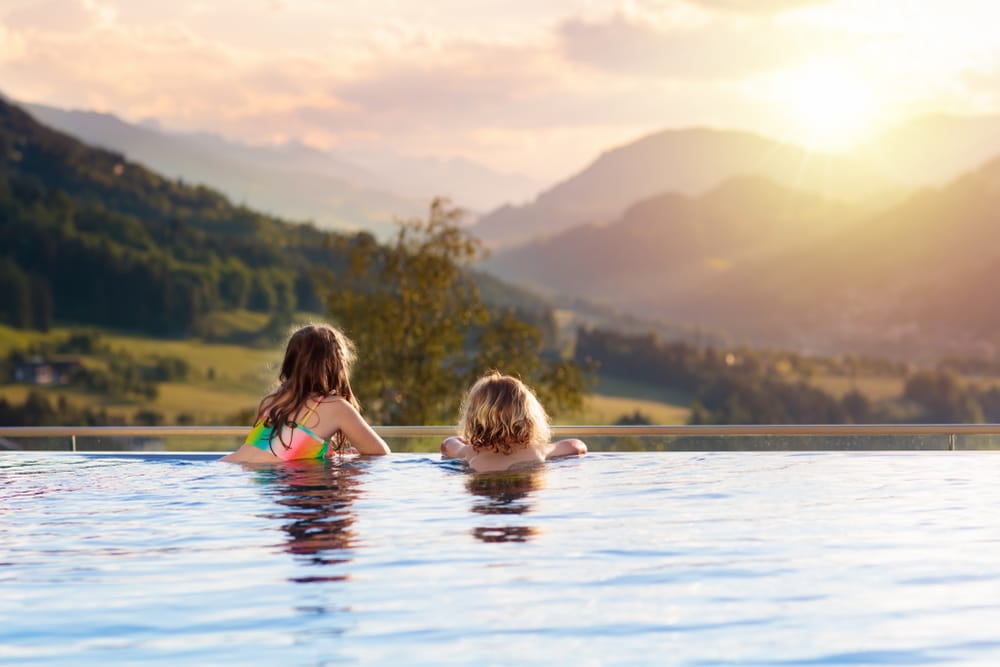
Story-led family hospitality isn’t about reinventing your hotel—it’s about revealing what’s already there in a way families can connect with.
When you layer in simple tools like kids’ activity books, mascots and interactive moments like AR, you turn everyday experiences into something children can step into and remember.
And that’s what families carry home.
Hotelier Resource: Ready-to-Use Deck to Get Your GM's Buy-In
Make the case with clarity and confidence. This ready-to-use presentation deck have designed to help you communicate the value of family-focused experiences—whether you're speaking to management, ownership or internal stakeholders. Thoughtfully structured and easy to customise, it turn ideas into a compelling proposal.
Get Started on Your Own Bespoke Family-Friendly Experience
 Wan Tsau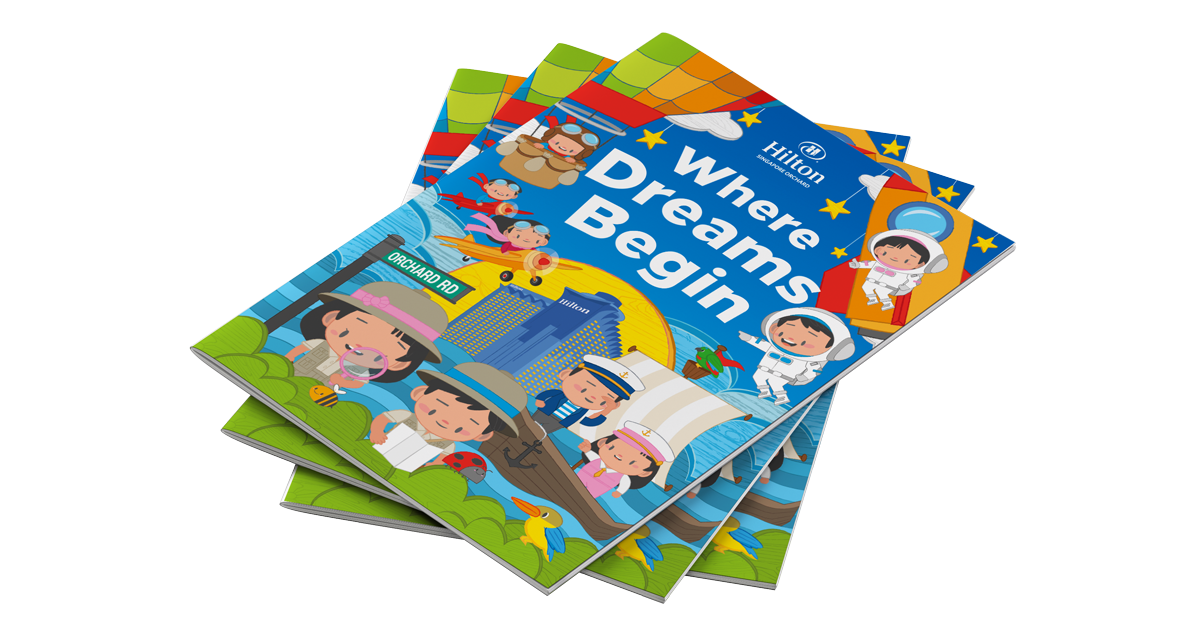
 Wan Tsau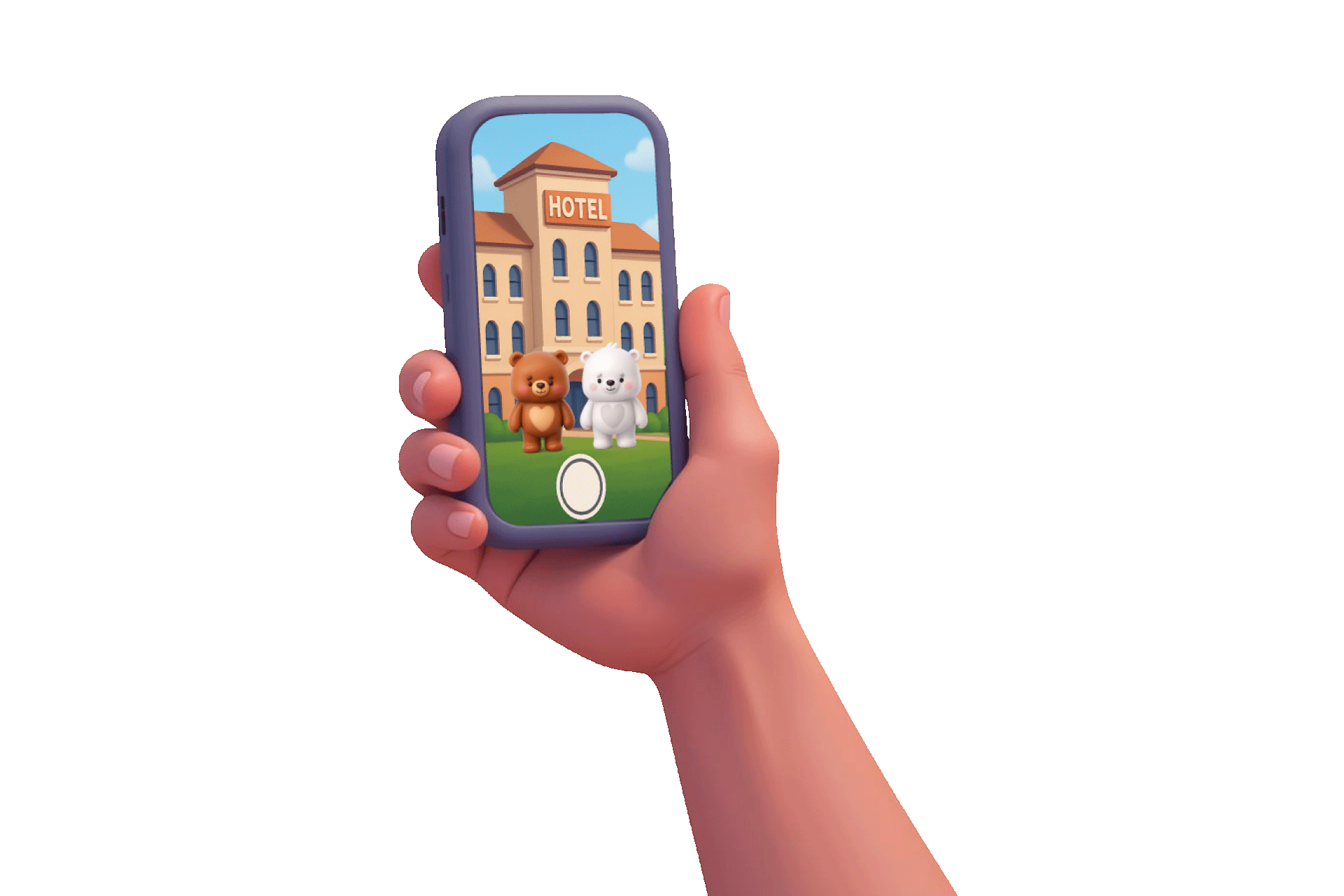
If you need a hand shaping and telling your property’s story, Piqolo Press is here to help. Our bespoke kids activity books and AR experiences can bring each property's unique story to life, creating meaningful touch points that enhance guest engagement and leave a lasting impression long after their stay.
Let’s craft something extraordinary together—because every exceptional property deserves a great story.
Let's Chat!
Fill up the contact form below OR drop us an email here.
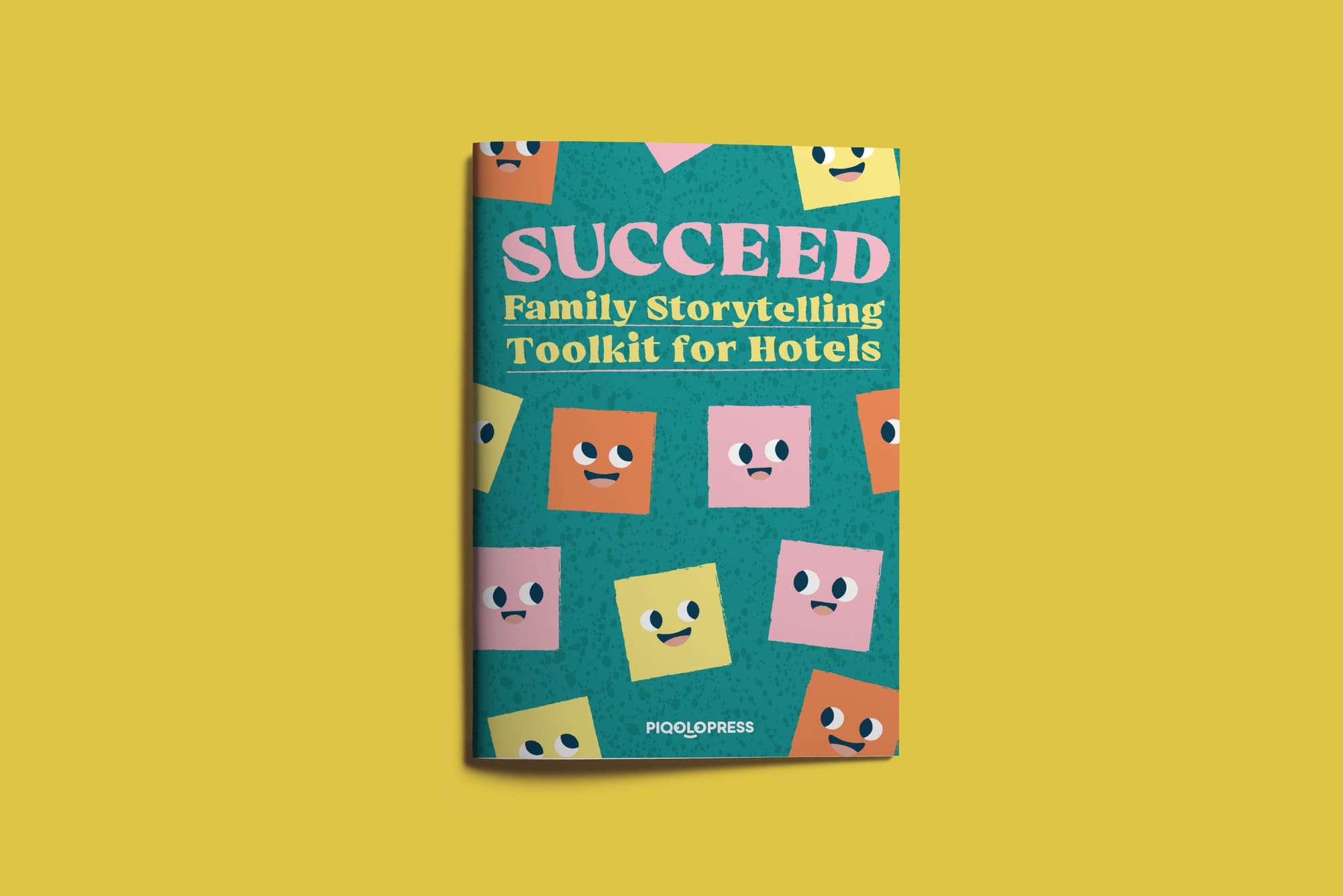
SUCCEED: Family Storytelling Toolkit for Hotels (PDF ONLY)
A 21-page PDF that helps you turn your hotel spaces, dining and guest journey into story-led family experiences—without renovation.
Subscribe to access this free toolkit and more weekly ideas.
What We Do for Hotels and Hospitality Brands
- Bespoke Kids’ Activity Books for Hotels and Tourist Attractions
- Storytelling for Hospitality Brands
- Family-friendly Mascot Design for Hotels
- Web-Based Digital Amenities for Hotels and Event Venues


